Top 10 Signs You Need a Mold Inspection in Your Home
Mold is one of the most common—and most overlooked—problems in homes. It often grows in hidden areas like behind walls, under flooring, or inside HVAC systems, making it difficult to detect without proper testing.
The problem? By the time you notice visible mold, the issue may already be widespread.
Knowing the signs you need a mold inspection can help you catch problems early, protect your health, and avoid costly repairs.
Why Mold Inspections Are Important
Mold thrives in damp, humid environments and can spread quickly when conditions are right. Beyond damaging your home, it can also affect your health.
Exposure to mold has been linked to:
- Sneezing, coughing, and congestion
- Eye irritation and skin reactions
- Respiratory issues and asthma flare-ups
Because mold is often hidden, a professional inspection is the most reliable way to identify the source and extent of the problem.
1. Persistent Musty Odors
One of the earliest and most noticeable signs of mold is a musty, earthy smell.
Even if you don’t see visible growth, this odor often indicates mold hidden behind walls, carpets, or ventilation systems.
Why It Matters
If the smell doesn’t go away with cleaning or ventilation, it’s a strong sign that mold is growing somewhere out of sight.
2. Visible Mold or Discoloration
Mold can appear as:
- Black, green, or white spots
- Fuzzy or slimy patches
- Stains that spread over time
These spots are commonly found in bathrooms, basements, kitchens, and around windows where moisture is present.
Important Note
Visible mold often means there’s more hidden growth nearby, making a professional inspection essential.
3. Recent Water Damage or Leaks
Mold needs moisture to grow—so any history of water issues increases your risk.
Common Triggers
- Roof leaks
- Plumbing issues
- Flooding or water intrusion
- Condensation buildup
Water stains, warped materials, or peeling paint are all warning signs that mold could be developing beneath the surface.
4. Unexplained Health Symptoms
Sometimes, your body notices mold before you do.
Common Symptoms
- Persistent coughing or sneezing
- Runny or stuffy nose
- Itchy eyes or skin irritation
- Headaches or fatigue
Mold exposure can trigger allergy-like symptoms and respiratory irritation, especially in sensitive individuals.
Red Flag
If symptoms improve when you leave your home, mold could be the cause.
5. High Humidity or Condensation Issues
Excess moisture creates the perfect environment for mold growth.
What to Watch For
- Condensation on windows or walls
- Damp or sticky indoor air
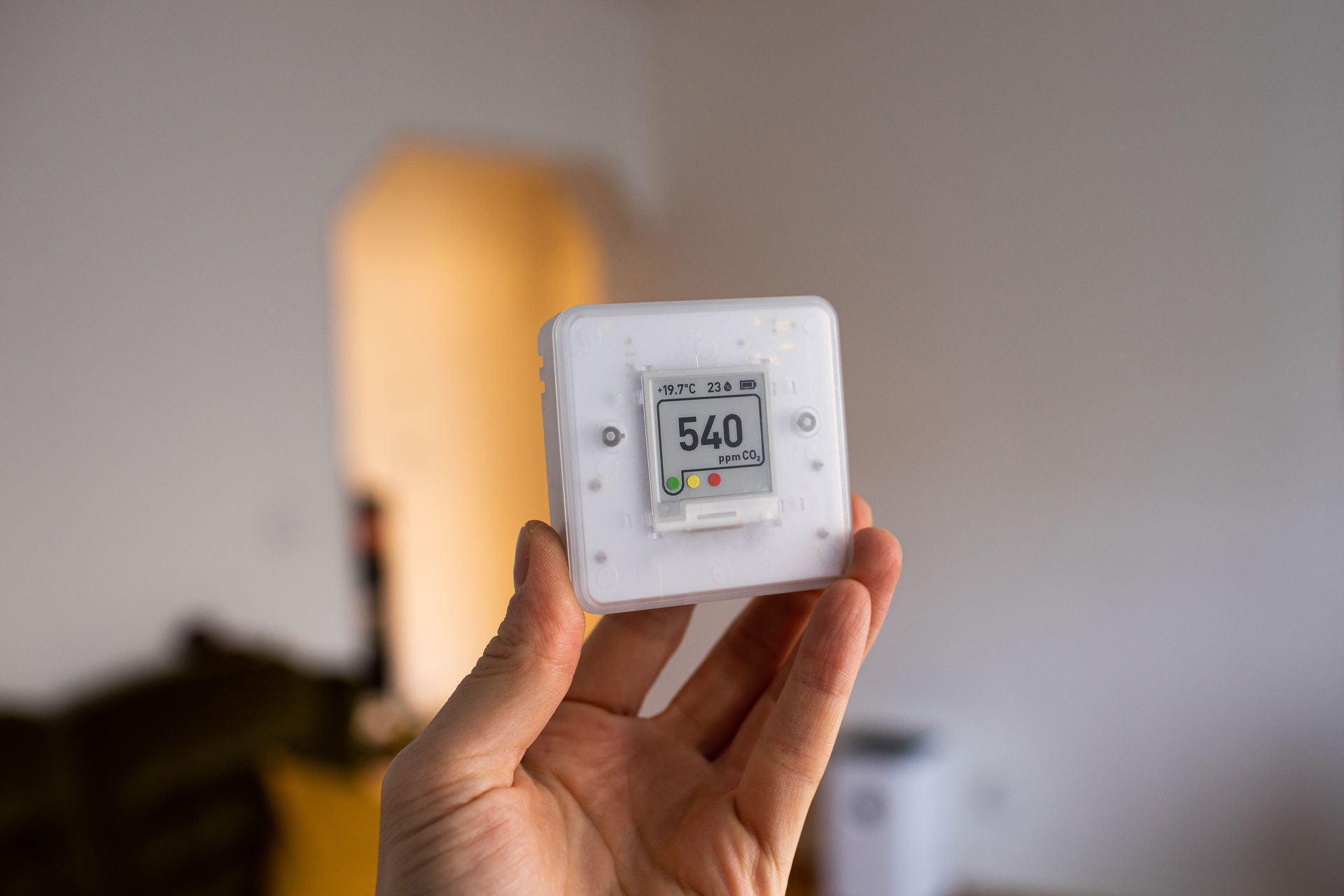
- Humidity levels above normal
Persistent moisture problems often indicate poor ventilation or hidden leaks—both of which can lead to mold.
6. Peeling Paint, Warped Walls, or Bubbling Surfaces
Structural changes inside your home can signal moisture problems.
Common Signs
- Bubbling or peeling paint
- Warped drywall or wood
- Cracks or discoloration
These issues often occur when water gets trapped behind surfaces—creating ideal conditions for mold growth.
7. Increased Allergy or Asthma Symptoms Indoors
If your home environment seems to trigger health issues, mold may be a factor.
Mold spores in the air can worsen:
- Asthma
- Allergies
- Breathing difficulties
Even small amounts of mold can affect indoor air quality and lead to ongoing discomfort.
8. Past Mold Problems That May Not Be Fully Resolved
Just because mold was treated before doesn’t mean it’s gone for good.
Why Mold Can Return
- Incomplete remediation
- Ongoing moisture issues
- Hidden growth in hard-to-reach areas
If your home has a history of mold, a follow-up inspection ensures the problem hasn’t come back.
9. Buying or Selling a Home
A mold inspection is especially important during real estate transactions.
For Buyers
- Identify hidden problems before purchase
- Avoid unexpected repair costs
For Sellers
- Address issues before listing
- Build buyer confidence
Mold can impact property value and delay or complicate deals if discovered late.
10. You Suspect Mold but Can’t Find It
Sometimes, all the signs are there—but the source isn’t visible.
If you notice:
- Odors with no clear origin
- Ongoing moisture issues
- Unexplained health symptoms
…it’s time to bring in a professional.
Hidden mold often grows behind walls, under flooring, or inside HVAC systems—areas that require specialized tools to inspect.
Where Mold Commonly Hides in Homes
Even if everything looks clean, mold can grow in hidden areas like:
- Behind drywall or wallpaper
- Under carpets or flooring
- Inside air ducts and HVAC systems
- Around pipes and plumbing fixtures
Because it’s often out of sight, professional inspections are key to finding the root cause.
When Should You Schedule a Mold Inspection?
You should consider a mold inspection if:
- You notice musty odors or visible growth
- Your home has experienced water damage
- You or your family have unexplained health symptoms
- You’re buying or selling a property
- You want to improve indoor air quality
Early detection can prevent more serious problems and reduce remediation costs.
Why Professional Mold Inspections Are Worth It
DIY testing kits can provide basic information—but they often miss hidden problems.
A professional mold inspection offers:
- Accurate detection of mold types and levels
- Identification of the source of moisture
- Clear recommendations for remediation
This ensures you’re not just treating symptoms—but solving the underlying issue.
Final Thoughts: Don’t Ignore the Warning Signs
Mold problems rarely fix themselves—and the longer they go unnoticed, the worse they become.
By recognizing the signs you need a mold inspection, you can:
- Protect your health
- Prevent structural damage
- Avoid costly repairs
If something feels off—whether it’s a smell, a symptom, or a stain—it’s worth investigating.
Because when it comes to mold, early action makes all the difference.