
Radon Testing
Radon Testing in Chicago, IL
Overview of Radon Testing Services
Radon testing in Chicago, IL is a specialized inspection service focused on measuring the concentration of radon gas within residential properties. Radon is a naturally occurring radioactive gas that can enter homes through soil and foundation openings. True Blue Home Inspections performs radon testing using calibrated, commercial-grade monitoring equipment designed to capture accurate readings of indoor radon levels over a defined testing period.
This service is typically conducted in residential environments where understanding indoor gas concentration levels is necessary for documenting environmental conditions. The testing process is structured to provide measurable data that reflects the presence and variation of radon gas within interior living spaces.
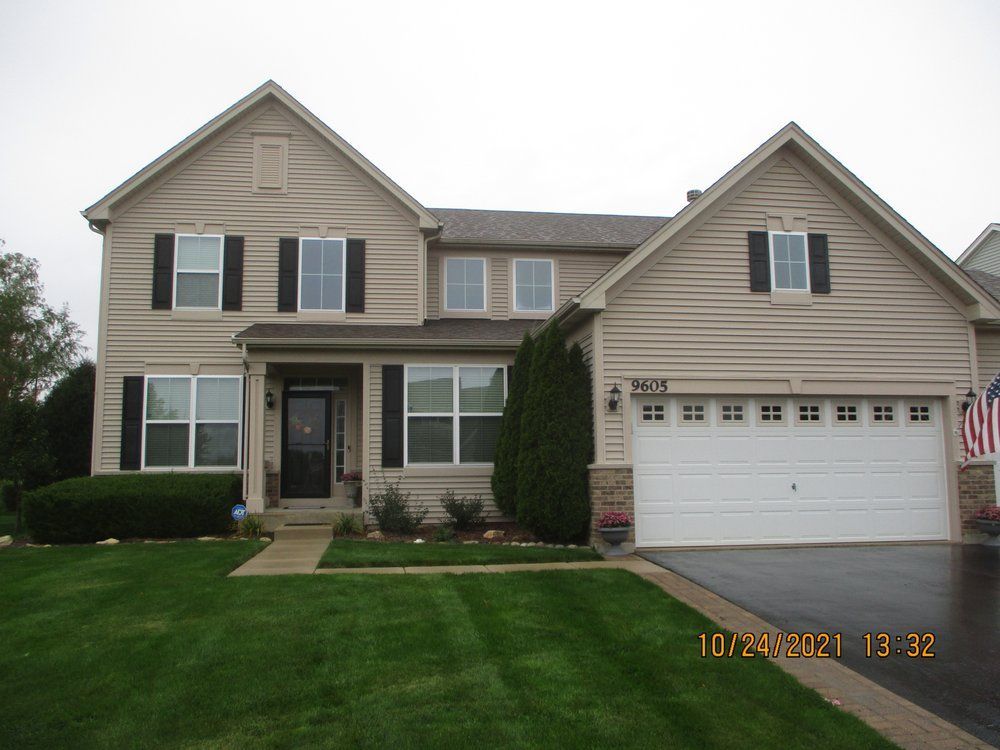
Understanding Radon Gas in Residential Environments
Radon gas is formed through the natural breakdown of uranium in soil, rock, and groundwater. It moves through the ground and can enter buildings through cracks in foundations, gaps around service pipes, and other structural openings. Once inside, radon can accumulate in enclosed spaces, especially in lower levels of a home.
Soil-Based Gas Migration
Radon enters structures primarily through soil contact with foundation materials. Pressure differences between the ground and interior spaces can draw gas upward through small openings in basements and slab foundations.
Indoor Accumulation Conditions
The concentration of radon indoors depends on ventilation patterns, building construction, and environmental conditions. Lower levels of homes, such as basements and crawlspaces, often show higher readings due to proximity to the ground.
Environmental Variation Factors
Radon levels can fluctuate over time based on temperature changes, weather conditions, and air exchange rates. Because of this variability, testing is conducted over a sustained period to capture representative data.
Radon Measurement and Equipment Standards
Radon testing is performed using commercial-grade monitoring devices designed to measure radioactive decay particles in indoor air. These instruments are calibrated to ensure consistent data collection throughout the testing period.
Continuous Radon Monitors
Continuous radon monitors are electronic devices that record radon levels at regular intervals. These devices provide time-based data that reflects fluctuations in radon concentration during the test period.
Passive Detection Devices
In some testing scenarios, passive detectors are used to measure cumulative radon exposure over a defined duration. These devices collect data through material absorption and are later analyzed in controlled environments.
Calibration and Accuracy Controls
All testing equipment is maintained and calibrated according to manufacturer specifications and industry standards. This ensures that recorded measurements reflect accurate indoor conditions during the inspection period.
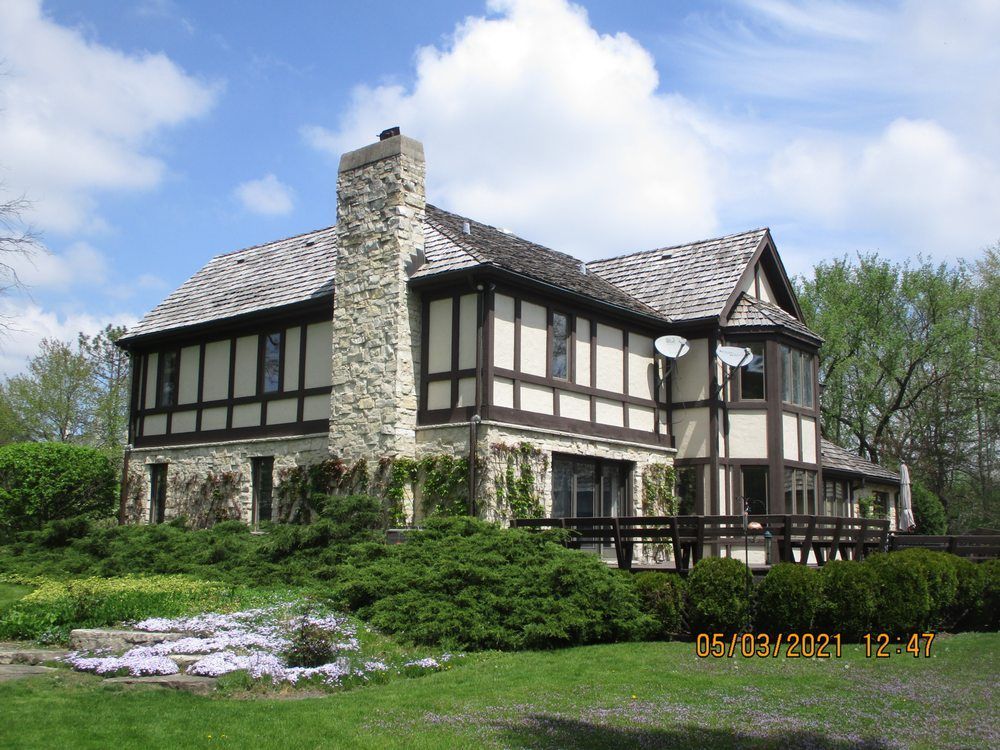
Testing Procedure Within the Home
Radon testing in Chicago, IL follows a structured process designed to capture consistent indoor air measurements. The procedure involves placing monitoring equipment in specific areas of the home and maintaining controlled conditions during the testing period.
Equipment Placement Areas
Testing devices are typically placed in the lowest livable area of the home where radon levels are most likely to accumulate. This may include finished basements or lower-level rooms depending on property layout.
Closed-Condition Testing Period
During testing, windows and exterior doors remain closed as much as practical to ensure that air exchange conditions remain consistent. This allows the monitoring equipment to record stable and representative readings.
Continuous Data Collection
Once activated, the monitoring device collects radon concentration data continuously over the testing duration. This produces a detailed record of fluctuations and average exposure levels.
Interior Spaces Included in Testing
Radon levels can vary within different parts of a home depending on airflow, structure, and proximity to the ground. Testing is conducted in selected interior locations to capture the most relevant readings.
Basement and Lower-Level Areas
Basements are the primary focus of radon testing due to their direct contact with soil and foundation structures. These areas often provide the most direct indication of gas infiltration from the ground.
Ground-Level Living Spaces
In homes without basements, ground-level rooms are used for testing placement. These areas are selected based on occupancy patterns and structural contact with the ground.
Crawlspace-Adjacent Areas
In properties with crawlspaces, nearby interior rooms may be evaluated for radon levels influenced by air movement between structural voids and living areas.

Test Duration and Data Recording
Radon testing is conducted over a continuous time period to ensure that results reflect typical indoor conditions rather than short-term fluctuations.
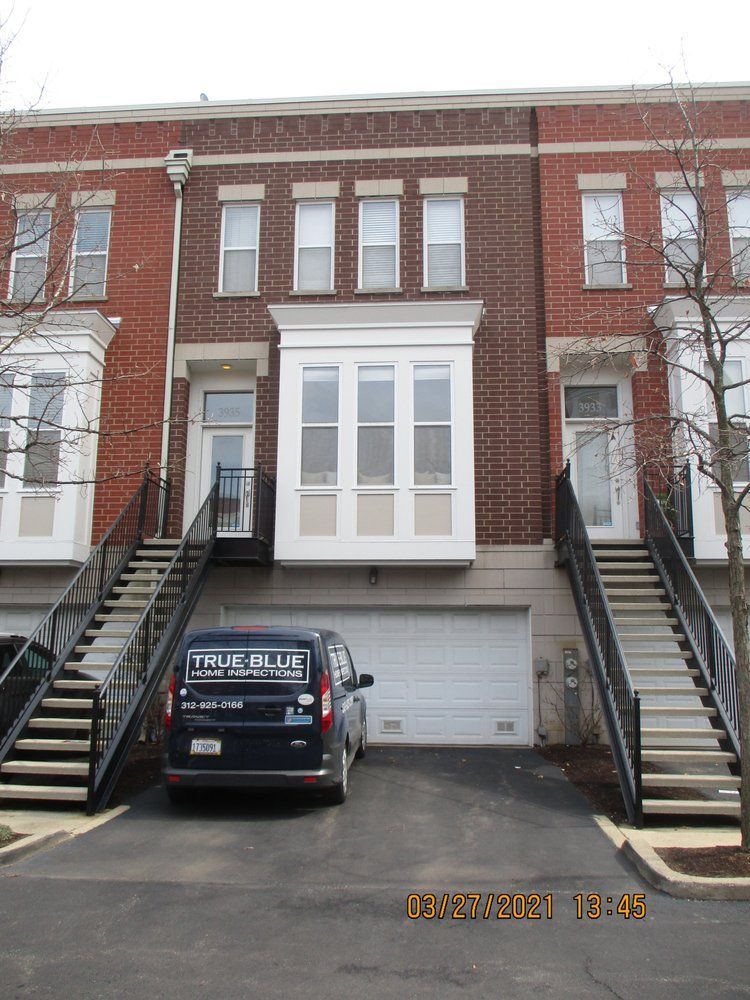
Reporting and Result Documentation
After testing is complete, collected data is reviewed and organized into a structured report that documents radon levels throughout the monitoring period.
Recorded Concentration Levels
The report includes time-based radon readings that show fluctuations in concentration over the testing period. These readings provide a detailed view of indoor air conditions.
Average Exposure Measurement
A calculated average radon level is included to summarize overall exposure during the test period. This figure represents the general condition of indoor air throughout the monitoring window.
Environmental Context Notes
The report may also include observations about environmental conditions that could influence radon movement, such as ventilation patterns or structural characteristics.
Scheduling Radon Testing Services
Radon testing in Chicago, IL is scheduled based on property availability and required testing duration. Because the process involves continuous monitoring, the equipment remains in place for the full testing period before results can be collected and analyzed.
True Blue Home Inspections conducts radon testing by installing monitoring equipment in the selected areas of the home, maintaining controlled testing conditions, and retrieving recorded data after the completion of the monitoring cycle. The final report is prepared based on measured readings captured throughout the testing period.
This service provides a structured measurement of indoor radon gas levels using calibrated equipment, documenting environmental conditions within the home during the inspection timeframe.