
Indoor Air Quality Testing
Indoor Air Quality Testing in Chicago, IL
Overview of Indoor Air Quality Testing
Indoor air quality testing in Chicago, IL is a detailed assessment of the air conditions inside a residential property. This service focuses on identifying and evaluating airborne contaminants and environmental factors that may influence the condition of indoor air. True Blue Home Inspections performs indoor air quality testing by collecting and analyzing samples from interior spaces and reviewing environmental conditions that affect air circulation and cleanliness.
The purpose of this type of inspection is to document the presence and levels of airborne particles, gases, and other environmental indicators that are not always visible during a standard home inspection. These findings are compiled into a structured report that reflects the condition of the indoor environment at the time of testing.
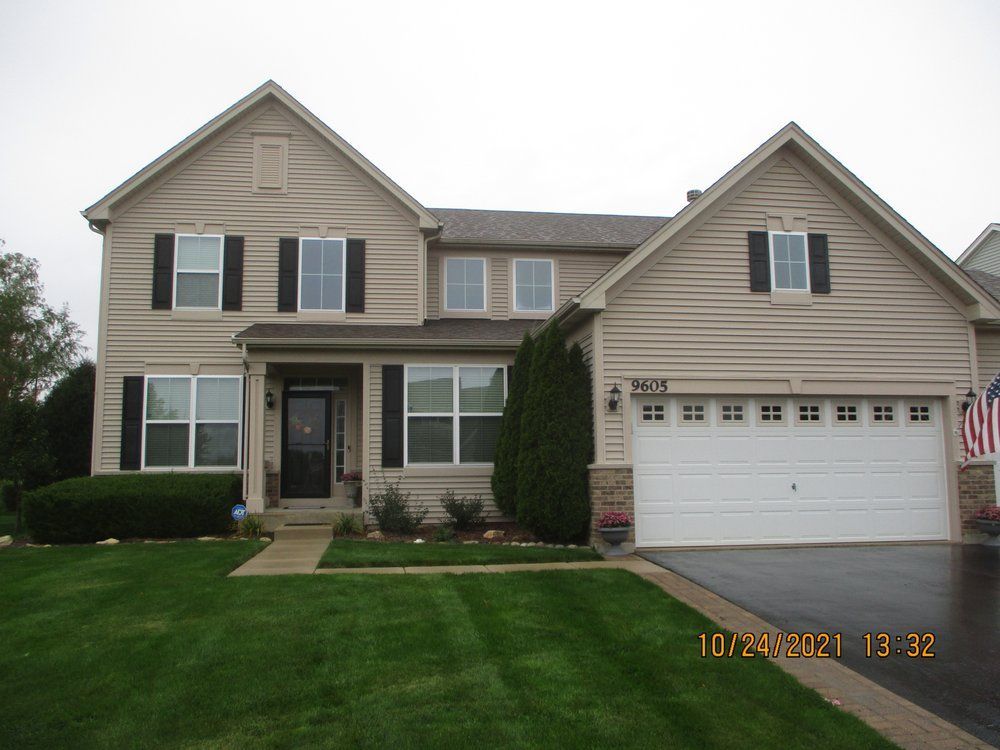
Exterior and Structural Assessment
The pre listing inspection begins with a detailed review of the home’s exterior and structural components. These areas provide important information about the overall condition and long-term stability of the property.
Particulate Matter and Airborne Dust
Fine particles such as dust, debris, and microscopic matter can circulate through indoor air systems. These particles may come from flooring, furnishings, or outdoor air infiltration and can accumulate in enclosed spaces.
Mold Spores and Moisture-Related Indicators
Moisture conditions within a home can contribute to the presence of airborne mold spores. Testing evaluates air samples for indicators associated with elevated moisture levels or past water intrusion events that may affect indoor air conditions.
Volatile Organic Compounds (VOCs)
Volatile organic compounds are gases released from certain building materials, cleaning products, paints, and household items. These compounds may be present at varying levels depending on ventilation and material usage inside the home.
Carbon Dioxide and Ventilation Markers
Carbon dioxide levels are commonly reviewed as an indicator of ventilation performance. Elevated levels may suggest limited airflow or inadequate fresh air exchange within interior spaces.
Indoor Air Quality Testing Methods
The testing process involves collecting air samples and reviewing environmental conditions across different areas of the home. Each step is conducted to ensure that results represent typical indoor conditions at the time of inspection.
Air Sampling Procedure
Air samples are collected using specialized equipment that captures airborne particles over a defined period. These samples are then analyzed to determine the concentration and type of contaminants present in the indoor environment.
Environmental Condition Assessment
In addition to air sampling, visible conditions within the home are reviewed. This includes evaluating moisture-prone areas, ventilation pathways, and any signs of water intrusion that may influence air quality.
Equipment-Based Measurements
Testing equipment is used to measure factors such as humidity levels, temperature variations, and airflow conditions. These measurements provide context for understanding how air moves and changes within the property.
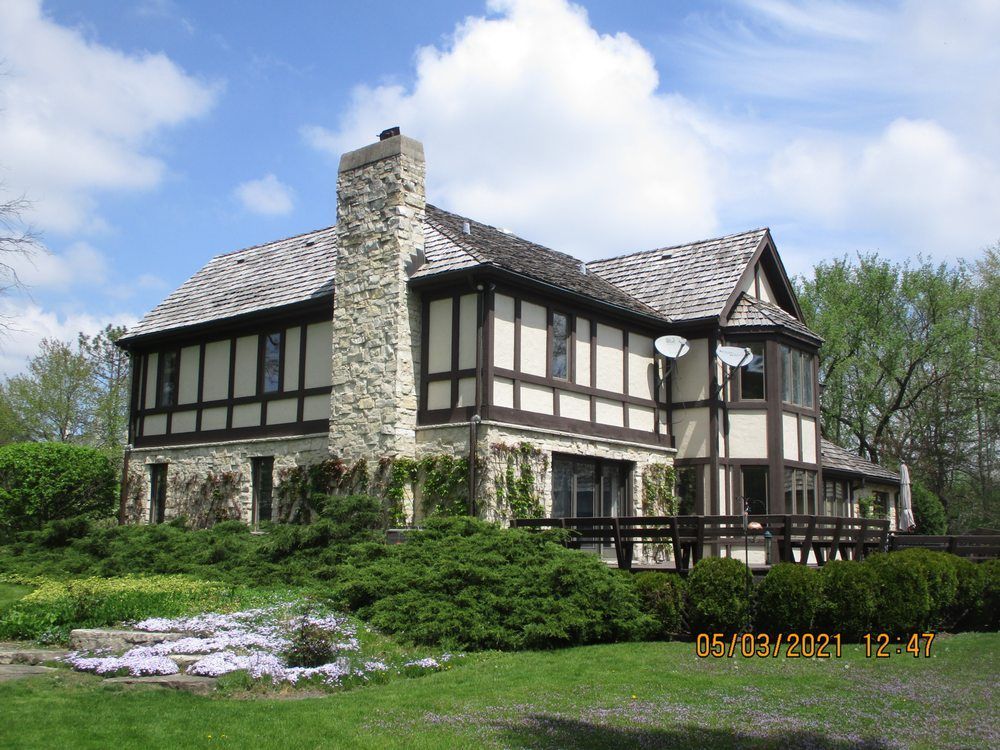
Areas of the Home Included in Testing
Indoor air quality conditions can vary depending on location within the home. Testing is performed in multiple interior spaces to ensure that results represent overall conditions rather than isolated areas.
Living Spaces and Common Areas
Main living areas are typically evaluated to assess general air conditions where occupants spend the most time. These spaces often reflect baseline indoor air quality influenced by daily activities and ventilation.
Bedrooms and Private Rooms
Bedrooms are included in testing to evaluate air quality in enclosed sleeping areas. These spaces may show different conditions due to limited airflow and longer occupancy periods.
Kitchens and High-Activity Zones
Kitchen areas are reviewed due to cooking activities, appliance use, and potential humidity changes. These factors can influence airborne particles and gas levels within the home.
Basements and Lower-Level Spaces
Basements are often assessed due to their proximity to foundation systems and potential moisture exposure. Air quality in these areas may differ from upper levels depending on ventilation and environmental conditions.
Interpretation of Test Results
After testing is completed, collected data is reviewed and organized into a structured report. The interpretation process focuses on presenting measured conditions in a clear and documented format.
Air Sample Analysis
Laboratory analysis of collected air samples identifies the type and concentration of airborne particles. These results are documented and compared across different areas of the home.
Environmental Condition Summary
Environmental measurements such as humidity, temperature, and airflow are summarized to provide context for air quality results. These factors help explain how indoor conditions may influence airborne readings.
Observational Findings
Visible conditions observed during the inspection are included in the final report. This may involve notes on ventilation systems, moisture indicators, or structural conditions that affect air movement.

Reporting Structure and Documentation
The final indoor air quality report is organized to present findings in a structured and readable format. It is designed to reflect conditions at the time of testing without interpretation beyond measured and observed data.
Scheduling Indoor Air Quality Testing
Indoor air quality testing in Chicago, IL is typically scheduled based on property access and occupant availability. The testing process requires controlled conditions to ensure accurate sample collection and consistent results across all evaluated areas.
True Blue Home Inspections conducts indoor air quality testing by visiting the property, collecting air and environmental samples, and documenting all relevant conditions during the inspection period. Once testing is completed, the findings are compiled into a structured report that reflects indoor air conditions at the time of evaluation.
This service provides a documented snapshot of indoor environmental conditions, focusing on measurable air quality factors within the home rather than general environmental assumptions.