
Home Inspection for Buyers
Home Inspection for Buyers in Chicago, IL
Overview of Buyer Home Inspections
A home inspection for buyers in Chicago, IL is a structured evaluation of a residential property conducted before finalizing a purchase. At this stage of the real estate process, the inspection is used to assess the visible and accessible condition of the home’s major systems and components. True Blue Home Inspections performs this service to provide a detailed understanding of the property’s condition so buyers can move forward in the transaction with documented information about the home’s current state.
The inspection typically occurs after an offer has been accepted but before closing, allowing time for review of findings and any further negotiation or decision-making that may follow based on the inspection report.
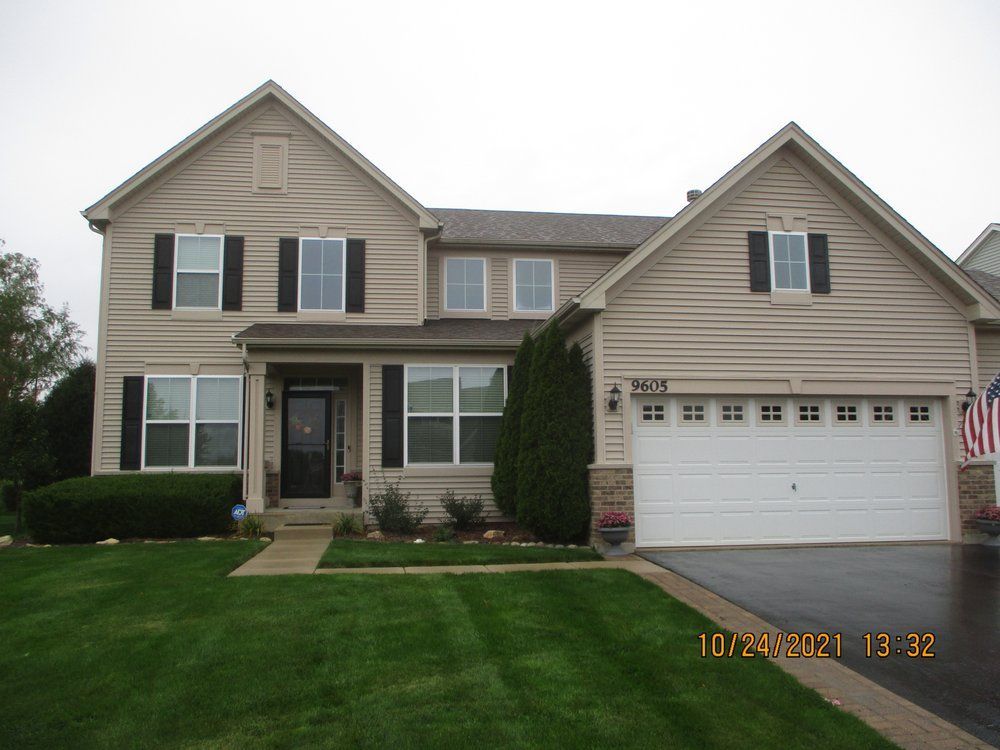
Structural and Exterior Evaluation
The first part of a buyer-focused home inspection involves reviewing the structural integrity and exterior elements of the property. This step focuses on identifying visible signs of movement, deterioration, or defects that may affect the stability or long-term durability of the home.
Foundation and Structural Components
The foundation is examined for visible cracks, shifting, or uneven settlement. Structural framing components that can be accessed are also reviewed for signs of damage or modification that may impact stability.
Roof and Exterior Surfaces
Roofing materials are assessed from ground level or roof access points when safely accessible. The condition of shingles, flashing, drainage systems, and visible roof penetrations is documented. Exterior siding, trim, and wall surfaces are also evaluated for damage or wear.
Site Drainage and Grading
The way water moves around the home is an important factor in long-term maintenance. The grading around the structure is observed to determine whether water is directed away from the foundation or pooling near the home.
Interior Systems Inspection
The interior portion of the inspection focuses on the livable areas of the home and the systems that support daily function. This includes electrical, plumbing, and HVAC components as they are accessible during the inspection.
Electrical System Review
The electrical system is evaluated by inspecting visible wiring, outlets, switches, and the main electrical panel. The condition of breakers, grounding, and any visible safety concerns are noted.
Plumbing System Evaluation
Plumbing fixtures, visible piping, water heaters, and drainage systems are reviewed. The inspection includes checking for leaks, corrosion, water pressure issues, and proper drainage function.
Heating and Cooling Systems
Heating and cooling equipment is inspected to determine operational status and visible condition. This includes furnaces, air conditioning units, ductwork, and thermostatic controls where accessible.
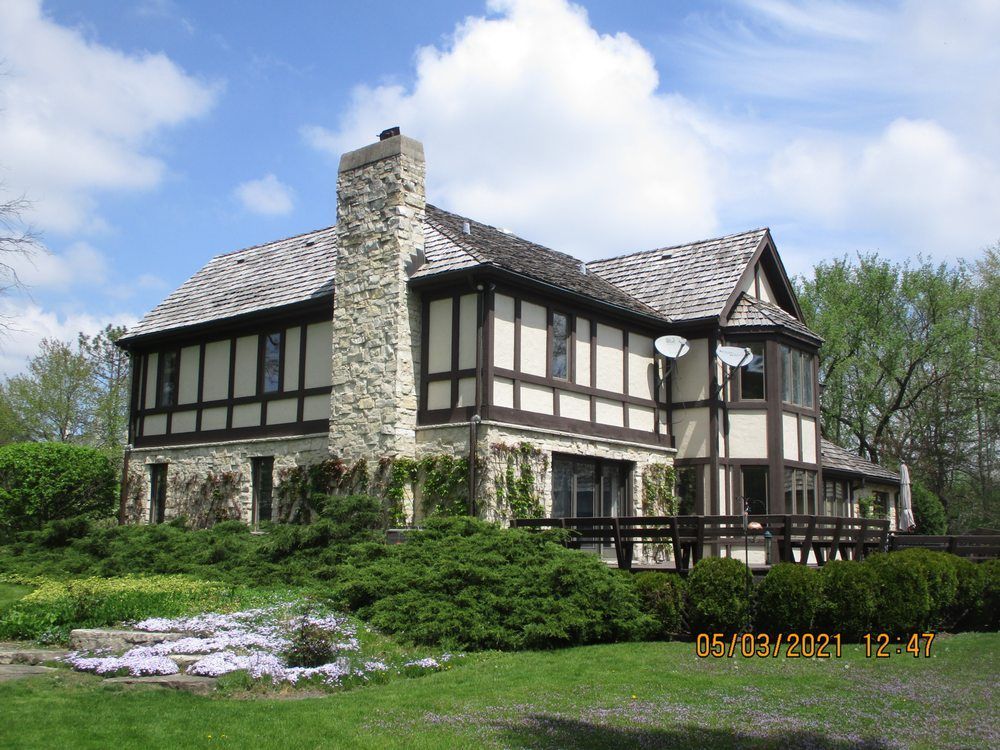
Interior Living Areas and Safety Elements
The inspection also includes a review of interior living spaces, focusing on walls, ceilings, floors, doors, and windows. These components are assessed for visible damage, functionality, and general condition.
Walls, Ceilings, and Floors
Surfaces are examined for cracks, water stains, uneven settling, or other visible signs of damage that may indicate underlying issues.
Windows and Doors
Windows and doors are tested for proper operation where possible. The inspection includes evaluating sealing conditions, glazing, locking mechanisms, and signs of air or moisture intrusion.
Safety-Related Features
Safety elements such as smoke detectors and carbon monoxide detectors are checked for presence and visible condition. Stairs, railings, and handrails are also reviewed for stability and secure installation.
Attic, Basement, and Crawlspace Review
Accessible attic spaces, basements, and crawlspaces are important areas in a buyer home inspection because they often reveal hidden conditions not visible in main living areas.
Attic Conditions
The attic is inspected for insulation levels, ventilation, and signs of moisture intrusion. Structural framing in the attic is also observed for visible damage or stress.
Basement Evaluation
Basement areas are reviewed for water intrusion, foundation wall condition, and evidence of past or ongoing moisture issues. Any visible mechanical systems located in the basement are also noted.
Crawlspace Inspection
Where applicable, crawlspaces are evaluated for ventilation, moisture conditions, insulation, and structural support conditions visible from accessible entry points.

Inspection Process and Reporting
The home inspection for buyers in Chicago, IL follows a structured process that begins with a full visual walkthrough of accessible areas of the property. Each system and component is reviewed in sequence to ensure consistency in evaluation and documentation.
Scheduling a Buyer Home Inspection
A home inspection for buyers is typically scheduled after an offer has been accepted and before the closing process is completed. Coordination with real estate agents, sellers, and buyers is often required to ensure access to the property during the agreed inspection window.
True Blue Home Inspections conducts inspections based on property availability and agreed scheduling arrangements. Once the inspection is completed, the report is prepared and delivered within a timeframe that allows buyers to review findings before moving forward in the purchase process.
The inspection process is designed to provide a structured evaluation of the property’s visible condition so buyers have documented information available during one of the final stages of the home purchase.