Indoor Air Quality Testing Services: What Homeowners Need to Know
The air inside your home may look clean—but it can contain invisible pollutants that affect your health, comfort, and property value.
That’s where indoor air quality testing services come in. These professional services identify hidden contaminants, measure pollutant levels, and provide actionable solutions to improve your indoor environment.
If you’ve ever wondered whether your home’s air is truly safe, this guide will walk you through everything you need to know.
What Are Indoor Air Quality Testing Services?
Indoor air quality (IAQ) testing services are professional assessments designed to evaluate the air inside your home.
These services typically include:
- Inspection of indoor environments
- Air sampling and laboratory analysis
- Identification of pollutants and contamination sources
- Recommendations for improving air quality
The goal is to detect harmful substances and ensure a safe, healthy living space. A typical IAQ assessment involves inspection, testing, and expert recommendations to address any issues found.
Why Indoor Air Quality Testing Matters
Indoor air pollution is often more concentrated than outdoor air—especially in tightly sealed homes with limited ventilation.
Poor indoor air quality has been linked to:
- Allergies and asthma
- Headaches and fatigue
- Respiratory problems
- Long-term health risks
According to environmental health experts, understanding and controlling indoor pollutants is key to reducing health risks and maintaining comfort.
What Do Air Quality Testing Services Detect?
Professional testing services can identify a wide range of pollutants that are difficult to detect on your own.
Common Contaminants Include
- Mold spores and bacteria
- Volatile organic compounds (VOCs) from household products
- Carbon monoxide and combustion gases
- Radon gas (a leading cause of lung cancer)
- Dust, allergens, and particulate matter
Air quality testing is essential for detecting these hidden hazards before they cause serious problems.
What Does an Indoor Air Quality Test Include?
A professional air quality inspection is more than just a quick test—it’s a structured process.
1. Initial Home Inspection
The process begins with a visual assessment of your home.
Inspectors look for:
- Moisture issues or leaks
- Signs of mold growth
- Poor ventilation areas
- HVAC system performance
This step helps identify potential sources of air contamination.
2. Air Sampling and Monitoring
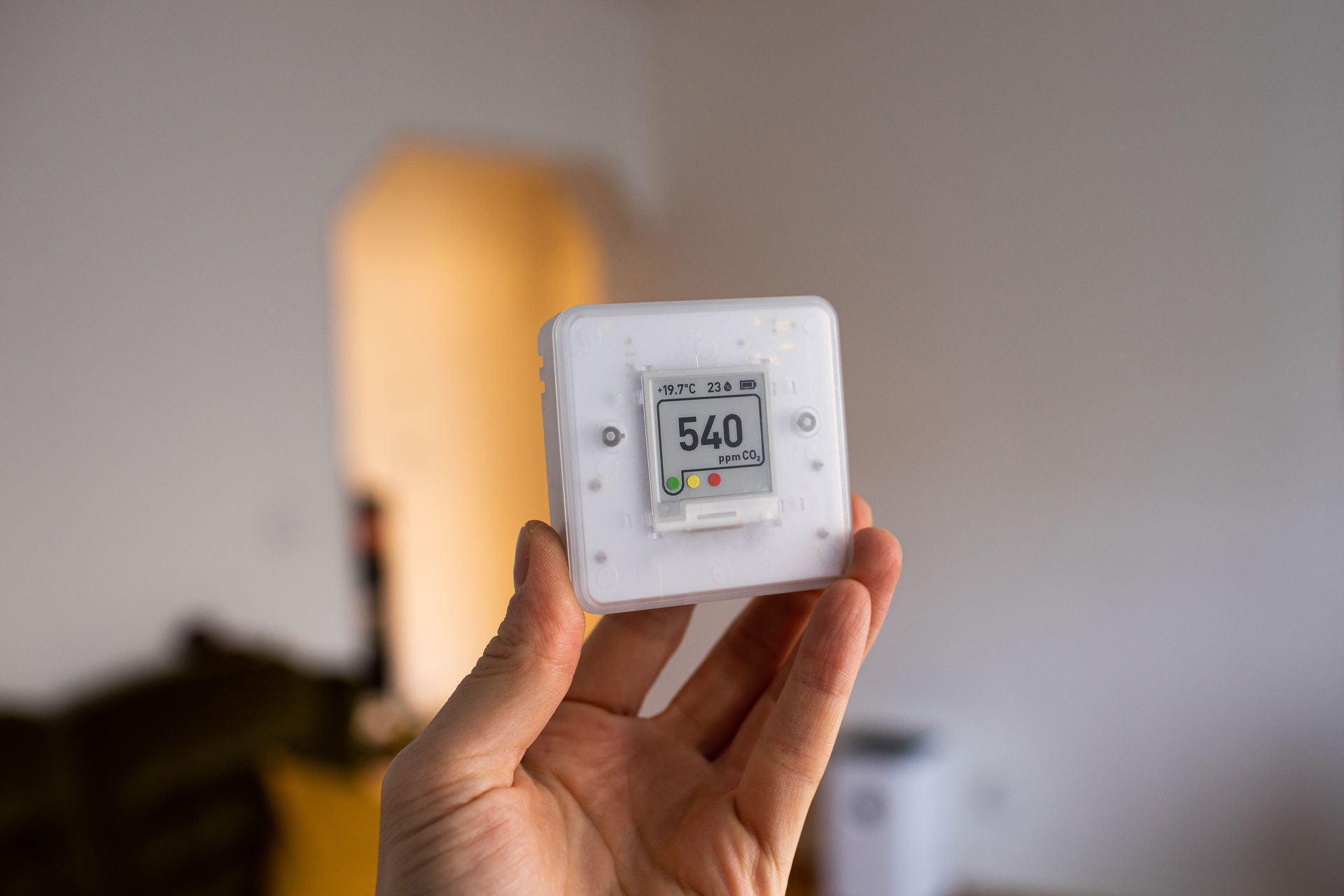
Next, inspectors collect air samples or use advanced equipment to measure pollutant levels.
Tools may include:
- Particle counters
- Gas detectors
- Moisture meters
- Infrared cameras
These instruments allow professionals to detect contaminants that are invisible to the naked eye.
3. Laboratory Testing
Samples are often sent to certified labs for detailed analysis.
This provides:
- Accurate identification of pollutants
- Measurement of concentration levels
- Reliable, data-backed results
4. Detailed Report and Recommendations
After testing, you’ll receive a comprehensive report outlining:
- Detected pollutants
- Severity of contamination
- Recommended solutions
These recommendations may include improving ventilation, addressing moisture issues, or upgrading filtration systems.
Types of Indoor Air Quality Testing Services
Not all air quality tests are the same. Depending on your concerns, different services may be used.
- Mold Testing
- Detects airborne mold spores and identifies hidden growth sources.
- Radon Testing
- Measures levels of radon gas, which can accumulate in basements and enclosed spaces.
- VOC Testing
- Identifies chemical pollutants from cleaning products, paints, and building materials.
- Allergen Testing
- Measures dust, pollen, and pet dander levels in the air.
- Comprehensive Air Quality Testing
- Combines multiple tests for a full evaluation of your indoor environment.
Indoor Air Quality Testing vs DIY Kits
Many homeowners consider DIY testing kits—but they have limitations.
DIY Testing
- Affordable and easy to use
- Limited scope (usually one pollutant)
- Less accurate results
Professional Testing
- Comprehensive analysis
- High accuracy with lab results
- Expert interpretation and recommendations
Professionals use specialized equipment and can detect multiple pollutants at once, making their results more reliable.
How Much Do Indoor Air Quality Testing Services Cost?
Costs vary depending on the scope of testing.
Typical Price Range
- $300–$500 for basic testing
- $500–$800 for comprehensive inspections
- Additional specialized tests (like radon) may cost extra
These costs reflect the use of advanced equipment, lab analysis, and professional expertise.
When Should You Schedule Air Quality Testing?
You should consider indoor air quality testing if:
- You notice persistent odors or musty smells
- You experience unexplained health symptoms
- Your home has had water damage or mold issues
- You’re buying or selling a property
- You’ve recently completed renovations
These situations often indicate hidden air quality problems that require professional evaluation.
Signs Your Home May Have Poor Air Quality
Even without testing, certain warning signs can indicate a problem.
Common Indicators
- Frequent coughing, sneezing, or allergies
- Excess dust buildup
- Visible mold or mildew
- High humidity or condensation
- Persistent indoor odors
These symptoms often suggest that pollutants are accumulating in your home’s air.
How to Improve Indoor Air Quality After Testing
Once issues are identified, you can take steps to improve your indoor environment.
Effective Solutions Include
- Fixing leaks and controlling moisture
- Improving ventilation and airflow
- Replacing HVAC filters regularly
- Using air purifiers
- Reducing chemical-based products
Addressing the root cause—not just the symptoms—is key to long-term improvement.
Benefits of Professional Indoor Air Quality Testing
Investing in professional testing offers several advantages:
1. Accurate Detection
Identifies pollutants you can’t see or smell.
2. Health Protection
Reduces exposure to harmful contaminants.
3. Improved Comfort
Cleaner air leads to better overall living conditions.
4. Better Real Estate Decisions
Helps buyers and sellers avoid hidden problems.
5. Long-Term Savings
Early detection prevents costly repairs and remediation.
Why Indoor Air Quality Matters More Today
Modern homes are built to be energy-efficient—but that also means they’re more sealed.
Without proper ventilation:
- Pollutants become trapped inside
- Air quality declines over time
- Health risks increase
This makes regular air quality testing more important than ever.
Final Thoughts: Don’t Ignore the Air You Breathe
Indoor air quality testing services provide a clear picture of what’s really in your home’s air.
From mold and VOCs to radon and allergens, these hidden pollutants can impact your health and comfort if left unchecked.
By investing in professional testing, you gain:
- Accurate insights
- Actionable solutions
- Peace of mind
Because when it comes to your home, clean air isn’t a luxury—it’s essential.