Home Inspector Chicago: Hidden Property Issues You Should Never Ignore
When buying a home, what you don’t see can cost you the most.
A professional home inspector in Chicago is trained to uncover hidden property issues that aren’t visible during a typical walkthrough. These problems—often buried behind walls, under floors, or within systems—can lead to expensive repairs and safety concerns if left undiscovered.
In fact, inspections commonly reveal 12 to 15 hidden defects per property, many of which could significantly impact your budget and decision-making .
Let’s break down the most common hidden issues Chicago home inspectors find—and why they matter.
Why Hidden Property Issues Are Common in Chicago Homes
Chicago properties face unique conditions that contribute to hidden damage, including:
- Freeze-thaw cycles that stress foundations
- Aging housing stock with outdated systems
- Heavy seasonal weather impacting roofs and HVAC
These factors create problems that develop gradually and often go unnoticed without a professional inspection .
1. Foundation and Structural Problems
Structural issues are among the most serious—and expensive—findings during a home inspection.
What Inspectors Look For
- Foundation cracks or shifting
- Basement water intrusion
- Signs of settlement or structural movement
Chicago’s freeze-thaw cycles can cause concrete to expand and contract, leading to cracking and long-term instability .
Why It Matters
Structural problems can compromise safety and require major repairs if not addressed early.
2. Hidden Water Damage and Moisture Issues
Water intrusion is a common but often hidden issue.
Common Signs
- Damp basements or crawl spaces
- Stains on ceilings or walls
- Mold growth or musty odors
Poor drainage and basement seepage are frequent concerns in Chicago homes, especially those with older foundations .
Why It Matters
Moisture problems can lead to mold, structural damage, and costly remediation.
3. Outdated or Unsafe Electrical Systems
Electrical issues are a major safety concern—especially in older homes.
What Inspectors Find
- Outdated wiring systems
- Overloaded or undersized electrical panels
- Improper installations or modifications
Many older Chicago homes were not designed to handle modern electrical demands, creating potential hazards .
Why It Matters
Faulty wiring increases the risk of electrical fires and system failures.
4. Roofing Damage and Exterior Wear
Roof problems are one of the most common hidden issues uncovered during inspections.
What Inspectors Check
- Missing or damaged shingles
- Flashing and leak points
- Signs of ice dams or water penetration
Chicago’s snow, ice, and wind can accelerate roof deterioration over time .
Why It Matters
Roof issues can lead to interior damage and expensive repairs if ignored.
5. HVAC System Wear and Efficiency Issues
Heating and cooling systems in Chicago homes work hard year-round.
Common Findings
- Aging or inefficient furnaces
- Poor airflow or ductwork leaks
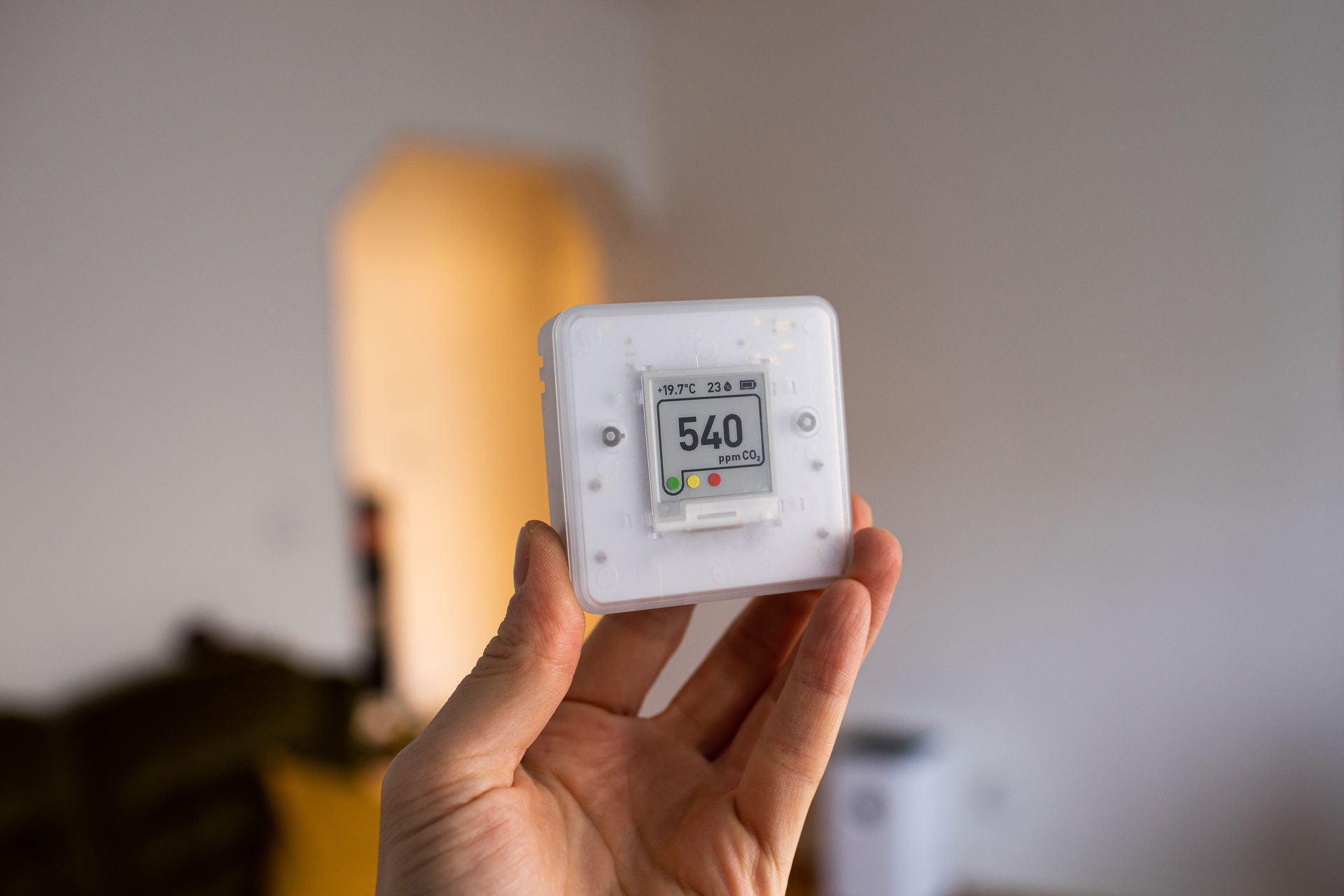
- Ventilation issues affecting air quality
Heavy seasonal use often leads to system wear and reduced efficiency .
Why It Matters
HVAC problems affect comfort, energy costs, and indoor air quality.
6. Plumbing Problems and Aging Pipes
Plumbing issues are frequently hidden behind walls and under floors.
What Inspectors Identify
- Leaking or corroded pipes
- Low water pressure
- Signs of past water damage
Older supply lines and Chicago’s hard water can accelerate pipe deterioration .
Why It Matters
Unchecked plumbing issues can lead to water damage and costly repairs.
7. Poor Insulation and Ventilation
Insulation and airflow problems are often overlooked—but they have a big impact.
Common Issues
- Inadequate attic insulation
- Blocked vents or poor airflow
- Uneven heating and cooling
Inspectors frequently find poorly sealed ducts and ventilation issues in Chicago homes .
Why It Matters
Poor insulation reduces energy efficiency and can contribute to moisture buildup.
8. Drainage and Exterior Grading Issues
Water management around the home is critical.
What Inspectors Look For
- Improper grading around the foundation
- Downspouts directing water too close to the home
- Soil erosion
Drainage issues can lead to basement flooding and structural damage over time .
How a Home Inspector in Chicago Finds Hidden Issues
Professional inspectors use a combination of:
- Visual inspections
- Moisture detection tools
- Electrical testing equipment
- HVAC performance checks
Their goal is to uncover issues that aren’t visible during a standard home showing, giving buyers a clearer picture of the property’s true condition .
Why a Professional Inspection Is Essential
Skipping a home inspection—or relying on a quick walkthrough—can be a costly mistake.
A professional inspection helps you:
- Avoid unexpected repair costs
- Negotiate more effectively
- Make informed buying decisions
Hidden issues can impact not only your finances but also your safety and long-term comfort.
When Should You Hire a Home Inspector in Chicago?
You should schedule an inspection when:
- Buying a home
- Selling a property (pre-listing inspection)
- After major renovations
- If you suspect hidden issues
Early detection is key to preventing bigger problems later.
Final Thoughts: What You Don’t See Matters Most
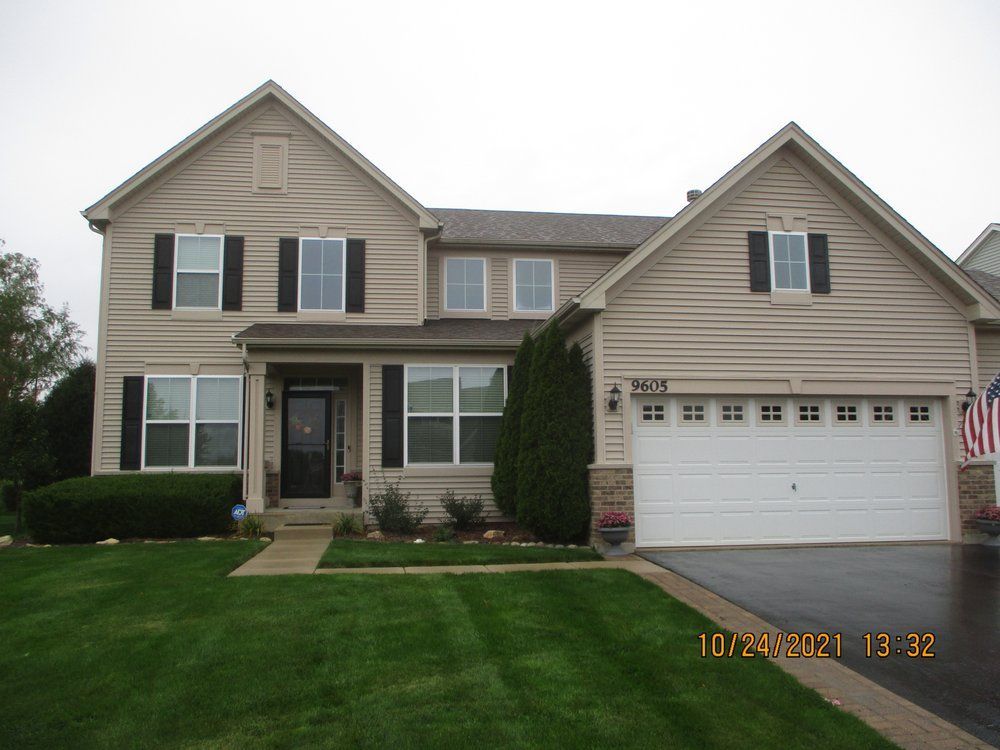
A home may look perfect on the surface—but hidden issues can tell a very different story.
From foundation cracks to HVAC problems, a qualified home inspector in Chicago helps uncover the risks you can’t see, giving you the confidence to move forward—or walk away.
In real estate, knowledge is power—and a professional inspection gives you both.