Air Quality Inspection vs DIY Air Testing: Which One Should You Choose?
Indoor air quality plays a major role in your health, comfort, and home value. But when it comes to testing your air, many homeowners ask the same question:
Should you rely on DIY air testing kits—or invest in a professional air quality inspection?
Both options have their place, but they deliver very different results. Let’s break down the key differences so you can make the right decision for your home.
Why Indoor Air Quality Testing Matters
The air inside your home can contain pollutants like mold spores, allergens, volatile organic compounds (VOCs), and carbon monoxide—all of which can impact your health over time .
In fact, indoor air pollution has been linked to:
- Respiratory problems
- Allergies and asthma
- Headaches and fatigue
- Long-term health risks
Testing your air quality helps identify these hidden issues so you can take action earl
What Is DIY Air Quality Testing?
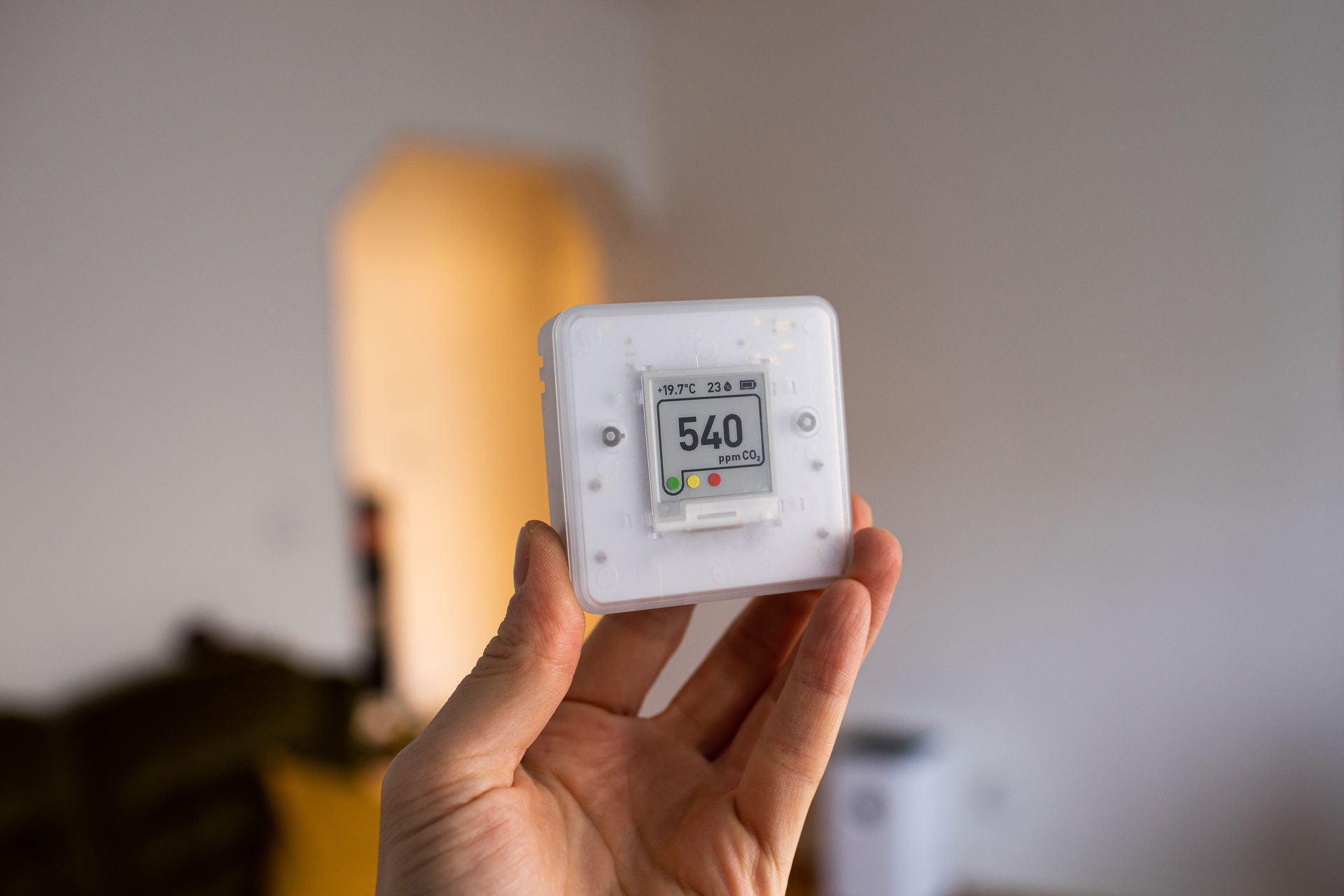
DIY air testing involves using home kits or digital monitors to check for specific pollutants.
What DIY Tests Typically Detect
- Mold (basic presence)
- Radon
- VOCs (limited scope)
- Particulate matter
These kits are widely available, affordable, and easy to use—making them a popular first step for homeowners.
Pros and Cons of DIY Air Testing
✅ Advantages
- Low cost and widely accessible
- Quick setup and simple process
- Useful for basic monitoring
❌ Limitations
- Limited accuracy and scope
- May miss critical pollutants
- Often lacks detailed analysis
- Results can be affected by user error
Most DIY kits only provide a general snapshot and may not give enough information to identify the source or severity of a problem
What Is a Professional Air Quality Inspection?
A professional air quality inspection is a comprehensive evaluation performed by trained experts using advanced equipment.
What Professionals Test For
- Mold spores and bacteria
- VOCs and chemical pollutants
- Carbon monoxide and gases
- Allergens and particulate matter
- Humidity and ventilation issues
They also assess your home’s systems—like HVAC and moisture sources—to identify the root cause of air quality problems.
Benefits of Professional Air Quality Testing
🎯 1. Higher Accuracy and Reliability
Professionals use calibrated instruments and lab testing to deliver precise results across a wide range of pollutants .
🔍 2. Comprehensive Analysis
Unlike DIY kits, professional inspections detect multiple contaminants and measure exact concentration levels .
🧠 3. Expert Interpretation
You don’t just get data—you get actionable insights, including:
- Source identification
- Risk assessment
- Recommended solutions
💰 4. Long-Term Cost Savings
Early detection of issues like mold or ventilation problems can prevent expensive repairs later .
What Is a Professional Air Quality Inspection?
| Feature | DIY Air Testing | Professional Inspection |
|---|---|---|
| Cost | Low | High Upfront |
| Accuracy | Limitted | High Precision |
| Scope | Narrow | Comprehensive |
| Result | Basic | Detailed + Lab Certified |
| Analysis | None | Expert Guidance |
| Use Case | Routine Checks | Serious concerns & real estate |
DIY kits are useful for quick checks—but they often lack the depth needed for confident decision-making.
When Should You Use DIY Air Testing?
DIY testing can be helpful when:
- You want a quick baseline reading
- You’re monitoring air quality regularly
- You’re checking for a specific issue (like radon)
They work best as a screening tool—not a final diagnosis.
When to Choose a Professional Air Quality Inspection
A professional inspection is the better choice when:
- Buying or selling a home
- Experiencing unexplained health symptoms
- After water damage or mold concerns
- Following renovations or construction
- You want accurate, legally defensible results
Professional testing is especially important in real estate transactions, where verified data can influence negotiations and protect both buyers and sellers .
Common Mistakes Homeowners Make
Many homeowners rely solely on DIY tests and assume their air is safe—but this can lead to missed problems.
Common pitfalls include:
- Misinterpreting results
- Testing in the wrong location
- Overlooking hidden contamination sources
Without expert analysis, it’s easy to miss the bigger picture.
Which Option Is Right for You?
The best choice depends on your situation:
- DIY Testing: Great for basic monitoring and initial checks
- Professional Inspection: Essential for accuracy, safety, and major decisions
If your health, investment, or peace of mind is at stake, professional testing offers the most reliable answers.
Final Thoughts: Don’t Guess Your Air Quality
Your indoor air may look clean—but that doesn’t mean it’s safe.
While DIY kits provide convenience, they often fall short when it comes to accuracy and depth. A professional air quality inspection gives you clear, actionable insights so you can confidently improve your home environment.
If you’re serious about protecting your health and your property, investing in a professional inspection is the smarter move.