
How a Home Inspector in Chicago Identifies Hidden Property Issues
When purchasing a home in Chicago, what you see during a casual walkthrough is just the beginning. Professional home inspectors in Chicago have the training, tools, and experience to find hidden property issues that could cost thousands of dollars later. A certified home inspector examines structural concerns behind walls, electrical hazards that pose safety risks, and mechanical problems not visible to buyers, providing the thorough evaluation needed to make smart real estate decisions.
Key Takeaways
- Professional home inspection Chicago services use specialized tools like thermal imaging cameras, moisture meters, and electrical testing equipment to detect problems invisible to the naked eye
- Certified home inspector professionals follow systematic inspection protocols covering structural, electrical, plumbing, HVAC, and safety systems throughout the property
- Advanced quality inspections can identify water damage, foundation issues, electrical hazards, and HVAC problems before they become major expenses
- Property inspections in Chicago must account for region-specific challenges, including freeze-thaw cycles, older building stock, and unique architectural features
- Professional inspection reports provide detailed documentation with photographs and prioritized recommendations for addressing discovered issues
- Experienced inspectors can differentiate between minor cosmetic concerns and serious structural or safety issues that require immediate attention
The Systematic Approach to Property Evaluation
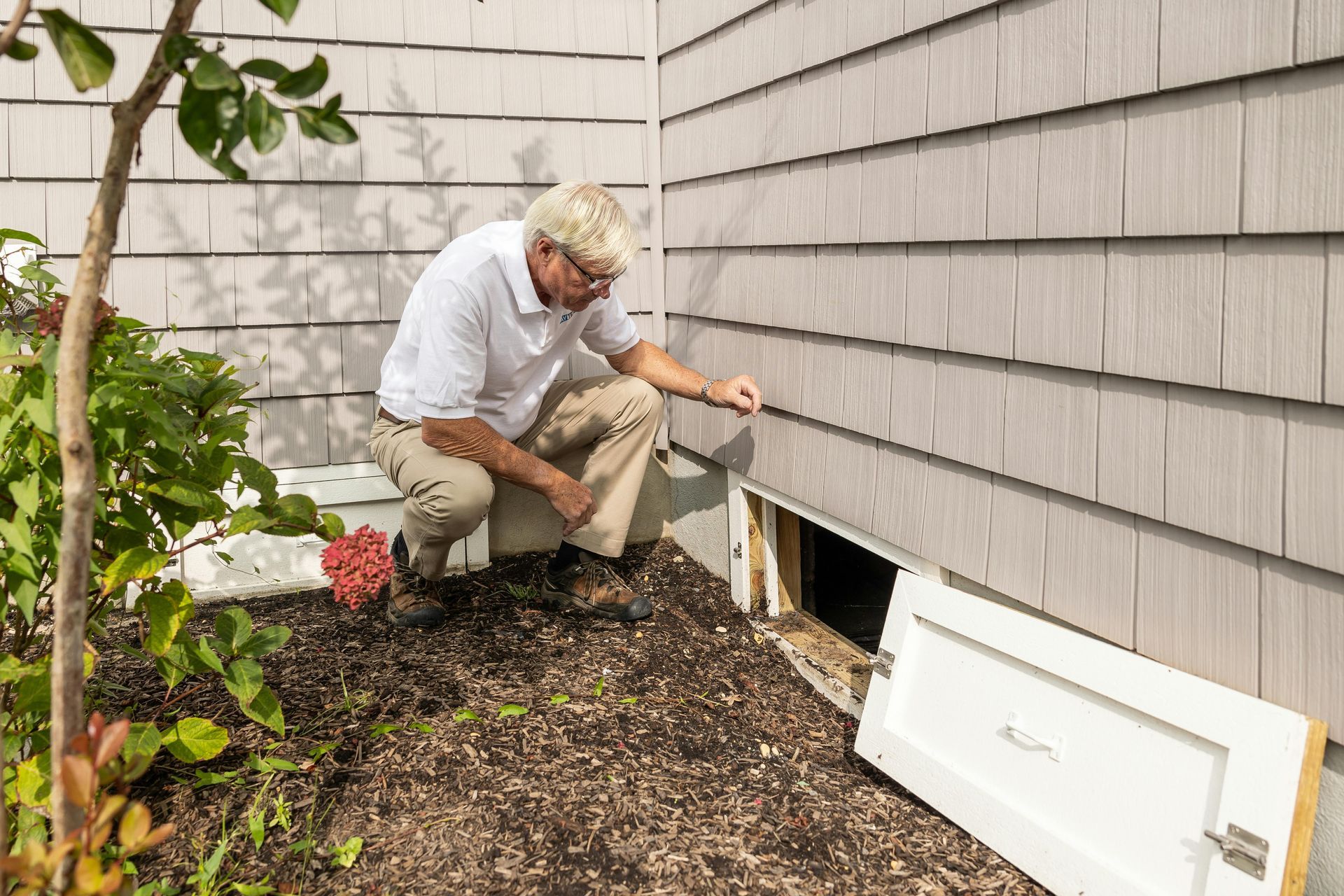
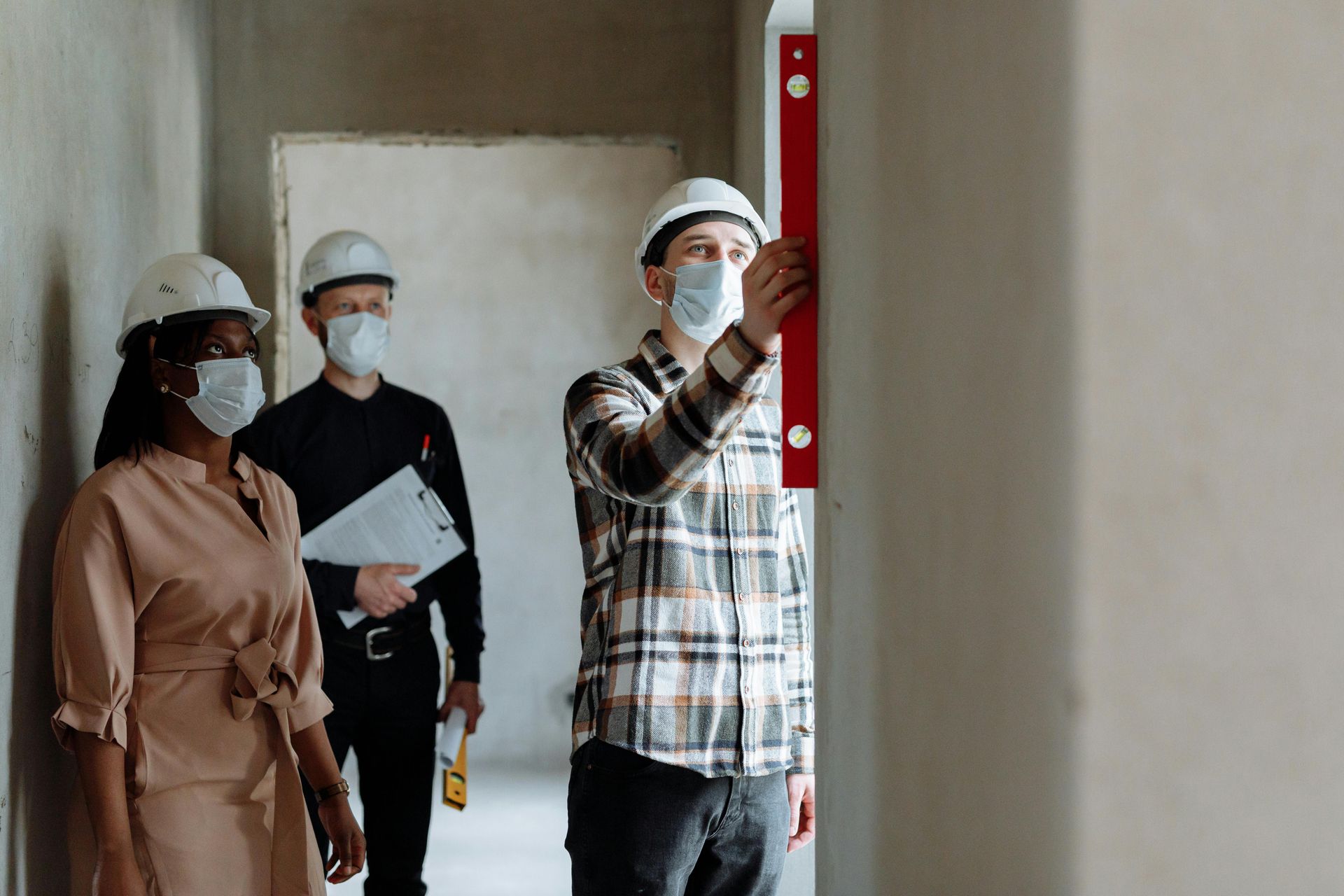
A thorough home inspection in Chicago begins with examining the property exterior. However, experienced inspectors know that serious issues often hide beneath the surface. Professional inspectors follow established protocols that examine every major system, starting from the foundation and working through structural components, mechanical systems, and safety features.
The inspection process covers these key areas:
- Foundation walls, load-bearing elements, and framing components for signs of settlement, cracking, or movement
- Exterior materials, roofing systems, and weather barriers that protect homes from Chicago's harsh weather
- Electrical panels, wiring systems, and safety devices throughout the property
- Plumbing supply lines, drainage systems, and fixture conditions
- HVAC equipment, ductwork, and ventilation systems
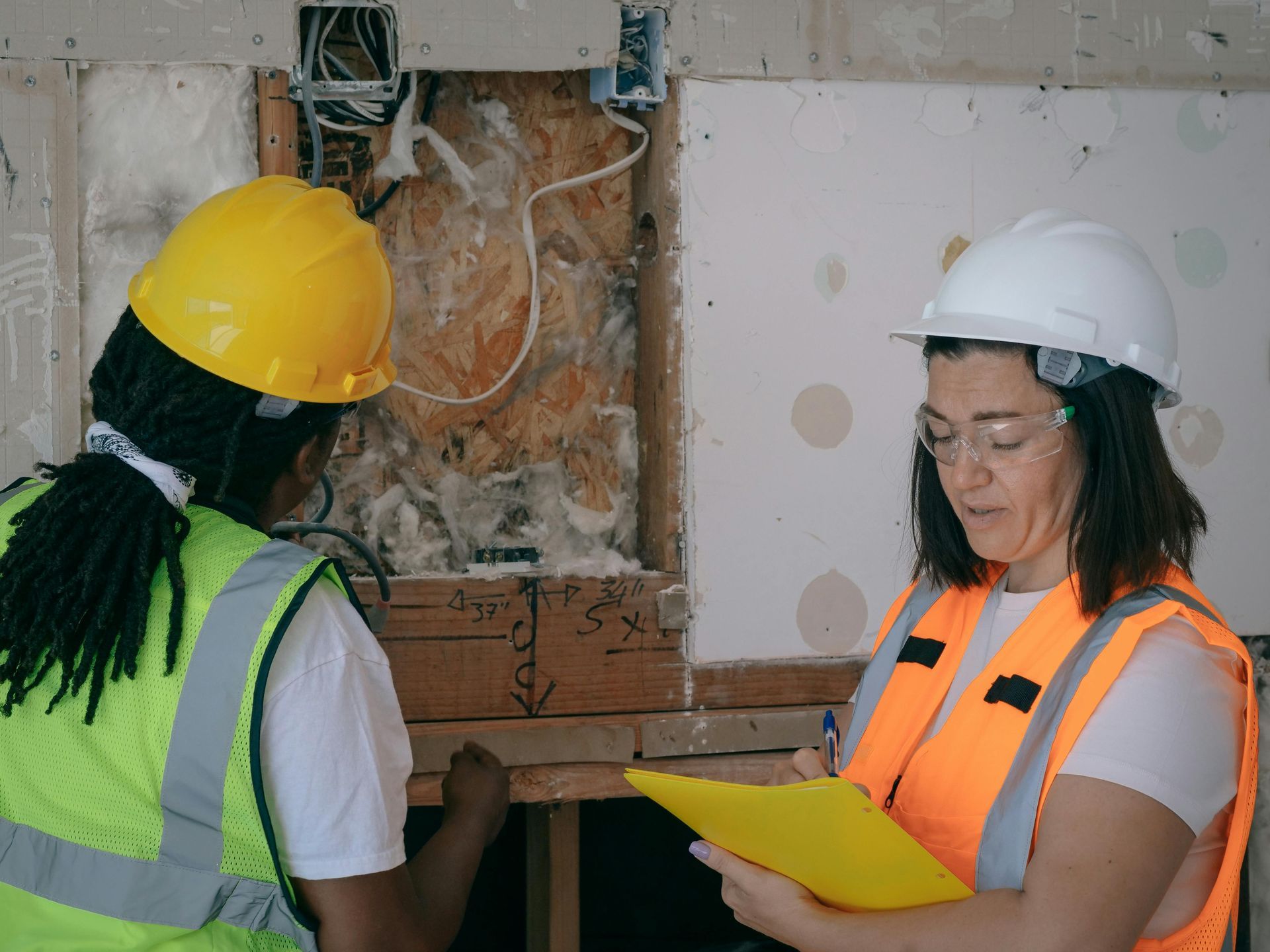
During residential inspections, professionals document their findings using digital photography and detailed notes. This approach ensures that no area goes unexamined and provides clients with thorough documentation of the property's condition.
Detection Tools and Technologies
Modern property inspections rely on diagnostic equipment that reveals hidden problems that traditional visual inspections miss. These tools prove valuable in Chicago homes where energy efficiency and proper insulation matter for managing heating costs during harsh winters.
Professional inspectors use several types of equipment:
- Thermal imaging cameras detect temperature variations that show moisture intrusion, air leaks, electrical hot spots, and insulation gaps
- Moisture detection equipment identifies water damage, leaks, and humidity problems that could cause mold growth or structural damage
- Electronic moisture meters detect elevated moisture in walls, floors, and ceilings without damaging surfaces
- Electrical testing devices evaluate circuit functionality, grounding systems, and electrical panel conditions safely
- Gas detection equipment identifies potentially dangerous gas leaks
- HVAC testing tools check system performance and air quality issues
This equipment proves particularly important in Chicago properties where seasonal temperature changes and precipitation patterns create ongoing challenges for building maintenance and performance.
Common Hidden Issues in Chicago Properties
Chicago's climate and building characteristics create specific challenges that experienced inspectors understand well. The city's freeze-thaw cycles and older building stock contribute to several recurring problems.
Foundation and structural issues include:
- Foundation movement and concrete cracking from freeze-thaw cycles
- Basement water intrusion and foundation settlement
- Structural issues that develop gradually over time
Electrical system concerns frequently found in Chicago homes:
- Outdated wiring that doesn't meet current safety codes
- Inadequate electrical panels for modern usage demands
- Safety hazards from improper installations or modifications
Mechanical system problems often include:
- HVAC wear from heavy seasonal usage and temperature extremes
- Ductwork problems that reduce efficiency and comfort
- Plumbing issues from aging supply lines and Chicago's hard water
- Roofing damage from snow loads, ice dams, and temperature stress
| System Area | Detection Method | Common Issues Found |
|---|---|---|
| Foundation & Structure | Visual inspection, laser levels, moisture detection | Settlement cracks, water damage, structural movement |
| Electrical Systems | Circuit testing, thermal imaging, load analysis | Overloaded circuits, faulty wiring, safety violations |
| HVAC Systems | Performance testing, ductwork inspection, airflow measurement | Inefficient operation, ductwork leaks, ventilation problems |
| Plumbing | Pressure testing, flow rates, drainage evaluation | Hidden leaks, pipe deterioration, drainage issues |
Safety and Environmental Hazard Detection
Professional inspectors focus on identifying safety hazards that could endanger occupants. Many Chicago homes contain older equipment that requires careful evaluation to ensure safe operation.
Carbon monoxide safety checks include:
- Testing combustion appliances and examining venting systems
- Ensuring proper ventilation for gas-burning equipment
- Evaluating furnaces, water heaters, and fireplaces
Electrical safety evaluation covers:
- Testing GFCI protection and examining grounding systems
- Identifying fire hazards from faulty wiring or overloaded circuits
- Checking smoke detectors, carbon monoxide alarms, and life safety equipment
Environmental concerns include testing for radon gas, identifying potential asbestos-containing materials in older homes, and evaluating indoor air quality issues. Lead-based paint considerations are particularly important in Chicago properties built before 1978, where proper identification and disclosure are required by federal law.
Structural and Foundation Assessment Techniques
Foundation evaluation requires knowledge of Chicago soil conditions, construction methods, and common failure patterns. Inspectors examine multiple structural elements to identify problems that could require professional attention.
Foundation inspection focuses on:
- Basement walls for signs of movement, water intrusion, or structural stress
- Support beams, columns, and load-bearing elements for damage or inadequate support
- Signs of settlement, sagging floors, or structural movement
Structural assessment includes:
- Examining framing components and checking for proper connections
- Identifying modifications that may have compromised structural integrity
- Evaluating unique architectural elements or construction methods
Many Chicago properties feature distinctive construction that requires specialized knowledge to evaluate properly. Historic homes may have structural systems that differ significantly from modern standards, requiring inspectors familiar with traditional building techniques and materials.
The Inspection Report and Documentation Process
Professional inspection reports provide thorough documentation of property conditions with detailed descriptions, photographs, and prioritized recommendations for addressing identified issues.
Report organization includes:
- Findings categorized by severity level for prioritizing repairs
- Clear guidance on which issues need immediate attention versus long-term planning
- Detailed descriptions that help buyers understand the significance of each problem
Digital photography provides visual evidence of problems that might be difficult to describe in text alone.
Photography benefits include
:
- Location-specific images that help contractors understand exactly where issues exist
- Visual documentation showing the extent of problems
- Before-and-after references for repairs and insurance claims
Quality inspection reports include recommendations for further evaluation by specialists when issues exceed the scope of general inspection services.
Specialist referrals may include:
- Structural engineers for foundation or framing concerns
- HVAC contractors for detailed system assessments
- Electrical specialists for complex wiring issues
Modern inspection software allows for immediate report generation and digital delivery, often providing same-day access to detailed findings.
Digital report features include:
- Interactive photographs with clickable details
- Embedded videos explaining complex issues
- Direct links to recommended resources for addressing problems
The immediate availability of professional documentation helps buyers move quickly in competitive real estate markets while ensuring they have thorough information for decision-making.
Choosing the Right Inspector for Your Chicago Property
To select a qualified home inspector in Chicago before buying, you should consider several important factors that affect the quality and thoroughness of the inspection process.
Important qualifications to look for include:
- ASHI certification or other recognized professional credentials
- Local experience with Chicago building types and construction methods
- Knowledge of regional climate challenges and common property issues
- Access to modern diagnostic equipment and testing tools
Professional inspection services should provide clear communication and educational value during the inspection process.
Service features that indicate quality include:
- Detailed written reports with professional photography
- Same-day delivery of digital inspection documentation
- Willingness to explain findings and answer questions during the inspection
- Professional insurance coverage that includes errors and omissions protection
Chicago-Specific Inspection Considerations
Chicago's climate and building history create specific inspection challenges that require local expertise and knowledge. The city's harsh winters and temperature extremes put exceptional stress on building systems.
Climate-related inspection priorities include:
- Heating systems that must perform reliably during extreme cold
- Insulation effectiveness for managing high energy costs
- Weatherization measures that protect against temperature extremes
Many Chicago homes feature distinctive architectural styles and construction methods that require specialized evaluation techniques.
Building types requiring special knowledge include:
- Vintage brick construction with unique structural characteristics
- Historic steel-frame buildings with specific maintenance needs
- Properties with grandfathered systems or non-conforming modifications
The city's location near Lake Michigan creates specific moisture and humidity challenges that affect building performance.
Geographic factors inspectors consider include:
- Proximity to the lake affecting humidity and weather patterns
- Property elevation and local drainage conditions
- Neighborhood-specific environmental stresses
Chicago's public transit system and busy roadways can create vibration-related issues in nearby properties. Professional inspectors know how to identify structural stress patterns related to transportation infrastructure and assess whether ongoing environmental factors might contribute to long-term building deterioration.
Frequently Asked Questions
What tools do professional home inspectors use to find hidden problems?
Professional home inspectors use thermal imaging cameras to detect temperature variations that indicate moisture, insulation problems, or electrical issues. They also employ moisture meters, electrical testing equipment, and gas detection devices to identify problems not visible during standard visual inspections.
How long does a comprehensive property inspection take?
A thorough residential inspection typically takes 2-4 hours, depending on the property size and complexity. Larger homes or properties with multiple systems require more time to examine properly and document all findings comprehensively.
Can hidden property issues be detected without invasive testing?
Advanced diagnostic tools allow inspectors to identify many hidden problems without destructive testing methods. Thermal imaging, moisture detection, and electronic testing provide valuable insights into property conditions while preserving building materials and finishes.
What Chicago-specific issues should buyers be concerned about?
Chicago properties face unique challenges, including freeze-thaw foundation movement, older electrical systems, and HVAC wear from extreme seasonal temperature variations. Professional inspectors familiar with local conditions can identify these region-specific concerns effectively.
How detailed are professional inspection reports?
Professional inspection reports include detailed written descriptions, digital photographs, and prioritized recommendations for each identified issue. Reports categorize findings by severity and provide guidance for addressing problems appropriately.
Final Thoughts
Professional home inspection services provide valuable protection for property buyers by identifying hidden issues before they become expensive problems. Through careful evaluation methods, diagnostic tools, and thorough documentation, certified inspectors deliver the detailed analysis needed to make smart real estate decisions. Whether purchasing a historic Chicago home or a modern property, professional property inspections offer the expertise and thoroughness required to understand true property conditions and proceed with confidence in one of life's biggest investments.
Ready to uncover hidden issues in your Chicago property? Contact our certified home inspector today to schedule your comprehensive inspection and protect your investment with professional peace of mind.
Reference:
https://sfm.illinois.gov/about/divisions/fire-prevention-and-building-safety/carbon-monoxide-detectors.html
Share this article