From Air Quality to Structural Safety: What a Full Home Inspection Covers
When buying or selling a home in Chicago, a thorough inspection protects one of your biggest investments. A complete home inspection in Chicago covers far more than just checking if the lights work and faucets turn on. From hidden air quality dangers to structural problems that could cost thousands later, professional inspectors examine the systems that keep your family safe and comfortable. Whether you're looking at a vintage bungalow in Rogers Park or a modern condo in Lakeview, understanding what a comprehensive inspection includes helps you make confident decisions about your Chicago property.
Key Takeaways
- Professional structural assessments use extensive experience to spot foundation, framing, and support beam problems that could affect safety
- Specialized air quality inspection services include radon testing, mold detection, and carbon monoxide checks using advanced equipment
- ASHI-certified inspectors thoroughly evaluate electrical and plumbing systems for code compliance and safety throughout Chicago's North Side
- Thermal imaging technology helps experienced inspectors find hidden HVAC problems and moisture issues that other inspectors might miss
- Same-day digital reports provide detailed findings with photos, helping you negotiate repairs or plan future maintenance
- Advanced quality inspections cover specialized areas like 4-point insurance inspections and pre-listing evaluations
Foundation and Structural Parts
ASHI-certified inspectors
start every residential inspection with the foundation, which supports your entire house. With extensive experience in Chicago's North Side neighborhoods, qualified inspectors know how local soil conditions and weather affect different foundation types common in areas like Edgewater, North Center, and Lincoln Square.
- Foundation wall evaluation includes checking for cracks, settling, or water problems that could hurt the structure. Professional inspectors understand how Chicago's freeze-thaw cycles affect different foundation materials and check that water drains away from the foundation instead of pooling against basement walls.
- Support beam and floor joist inspection uses extensive experience to spot stress, damage, or weak support systems. Qualified inspectors also check for cuts or holes that might make structural parts too weak. In older Chicago homes common throughout Rogers Park and Uptown, wooden beams might show signs of age or insect damage that needs attention.
- Load-bearing wall assessment gets special attention because these walls carry the weight of floors and roofs above. Experienced inspectors look for cracks, bowing, or other signs that these walls aren't handling their load properly.
- Crawl space and basement inspection often reveals important details about your home's structural health. Professional inspectors look for:
- Standing water that shows drainage problems
- Poor air flow that can cause moisture buildup
- Pest damage that weakens wood structures
- Foundation movement signs that suggest ongoing issues
- Proper clearance between wood and soil contact
- Warning signs inspectors flag:
- Foundation cracks: Horizontal cracks wider than 1/4 inch or zigzag patterns in block foundations
- Sagging floors: Show possible beam or joist problems that need professional help
- Bowing walls: Suggest soil pressure or water damage affecting stability
- Uneven settling: Creates gaps around windows, doors, or where walls meet ceilings
Air Quality Testing and Health Checks
Professional home inspections specialize in air quality inspection services
that protect your family's health. Indoor air can have much higher pollution levels than outdoor air, which is why qualified inspectors offer professional air quality testing as part of their advanced quality inspections throughout Chicago's North Side.
Professional radon testing is a key specialty of experienced residential inspections. This natural radioactive gas comes up through foundation cracks and can build up to dangerous levels in basements and lower floors. Professional inspectors use commercial-grade radon testing equipment to measure levels over several days, providing accurate readings that inform mitigation decisions.
Carbon monoxide detection helps find deadly gas leaks from heating systems, water heaters, fireplaces, and other gas appliances. Certified inspectors check:
- Venting systems that remove dangerous gases
- Exhaust pathways that keep gases flowing outside
- Air supply systems that help appliances burn fuel safely
Chemical fume testing finds emissions from building materials, furniture, cleaning products, and other household items. These chemicals can cause headaches, breathing problems, and long-term health issues when levels get too high.
| Air Quality Component | Professional Testing Method | Health Risks |
|---|---|---|
| Radon Gas | Professional monitoring devices | Lung cancer |
| Carbon Monoxide | Digital detection equipment | Poisoning, death |
| Mold Spores | Air and surface sampling | Allergies, breathing problems |
| Chemical Fumes | Air quality meters | Headaches, organ damage |
| Formaldehyde | Specialized air sampling | Cancer risk, breathing issues |
- Mold assessment services include both visual inspection and air sampling when conditions suggest contamination. Professional moisture meters help find hidden water damage that creates perfect conditions for mold growth, especially in bathrooms, basements, and around plumbing fixtures.
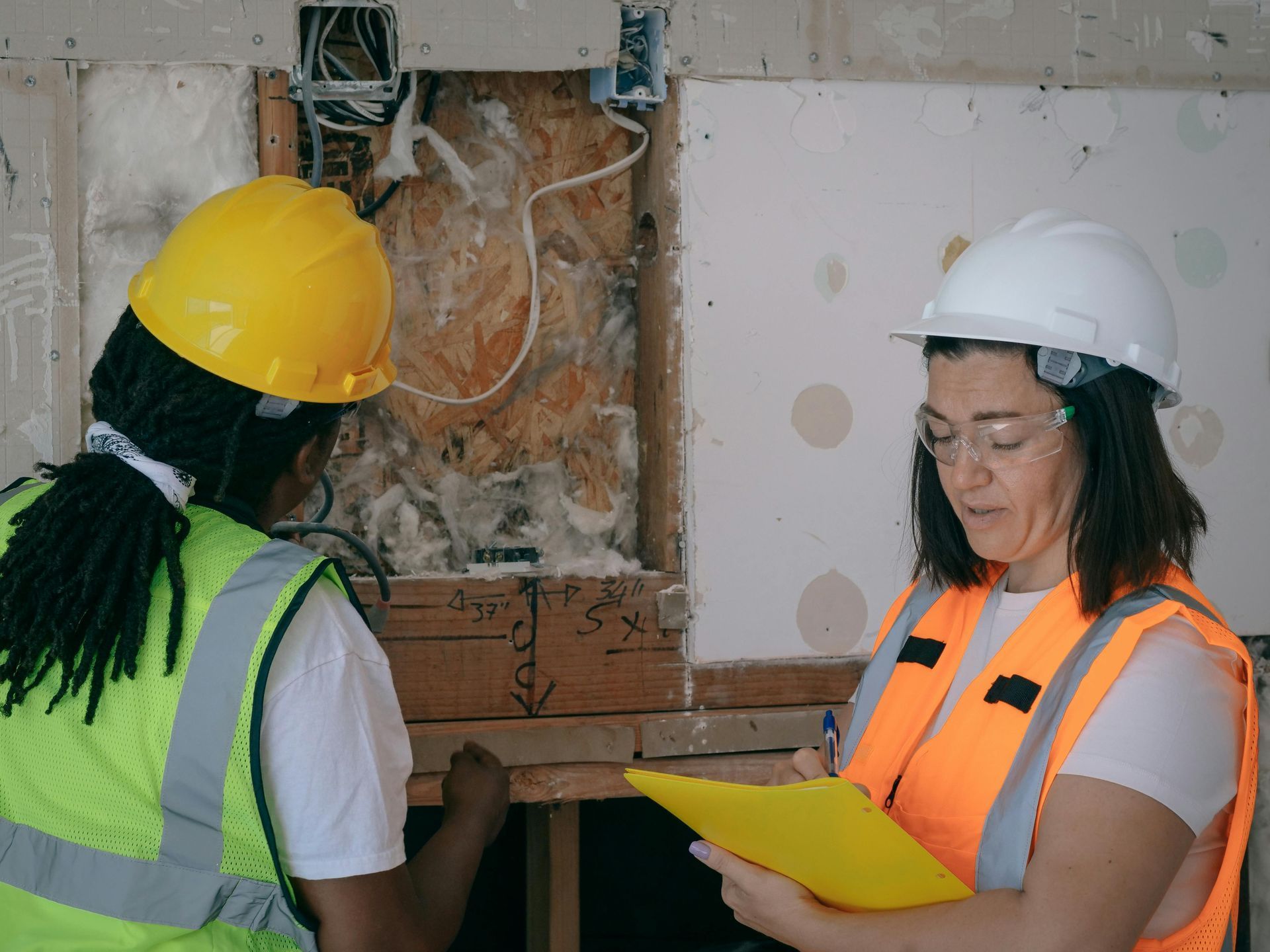
- Electrical system inspections focus on safety, function, and meeting building codes throughout your home. Certified inspectors protect against fire risks, shock dangers, and insurance problems from old or poorly installed wiring.
- Main electrical panels get thoroughly checked for proper setup, enough power capacity, and safe breaker operation. Professional inspectors look for signs of overheating, rust or corrosion, DIY changes that create dangerous conditions, and proper circuit labeling.
- Outlets and switches throughout the home get tested to verify proper grounding and GFCI protection where required. Special attention goes to kitchens, bathrooms, and outdoor areas where water and electricity create higher risks.
-
GFCI protection
is required in wet areas like bathrooms, kitchens, garages, and outdoor locations. These special outlets shut off power quickly if they detect electrical problems. Qualified inspectors test these outlets to make sure they work correctly.
- Wiring assessment includes looking at cable condition, proper routing, and the right wire size for electrical loads. Older homes throughout Rogers Park and Uptown might have outdated wiring like knob-and-tube or aluminum wiring that needs special attention.
Plumbing System Review
Professional
plumbing inspections
examine water supply, drainage, and waste systems to find leaks, capacity problems, and health risks. This evaluation helps prevent costly water damage while ensuring good water pressure and drainage throughout your Chicago home.
- Water supply inspection checks for leaks, rust, and proper pressure throughout the house. Qualified inspectors test faucets, toilets, and appliances.
- Drainage evaluation ensures proper slope and leak-free operation. This includes checking vent systems that prevent sewer gas from entering living spaces.
- Water heater assessment covers capacity, condition, and safety features. Professional inspectors verify proper installation and working relief valves.
- Plumbing problems inspectors find:
- Low water pressure: Supply line blockages or city water issues
- Slow drainage: Clogs or poor venting that could worsen
- Water stains: Active or past leaks needing investigation
- Strange noises: Pressure or flow problems
Heating and Cooling Systems
ASHI-certified inspectors use advanced tools, including thermal imaging, to check HVAC systems for performance, safety, and energy efficiency. These systems greatly affect both indoor air quality and your monthly utility bills. In Chicago's extreme weather, proper heating and cooling operation is especially important for comfort and safety.
- Heating system inspection covers furnaces, boilers, or heat pumps to verify safe operation and proper maintenance. Experienced inspectors check:
- Combustion safety to prevent carbon monoxide exposure
- Heat exchanger condition for cracks or damage
- Venting systems that remove dangerous gases safely
- Air filter condition and proper sizing
- Thermostat operation and programming features
- Thermal imaging technology sets professional inspection services apart from basic evaluations. Advanced thermal cameras can detect heat loss, air leaks, and hidden problems in HVAC systems that aren't visible to the naked eye. This technology helps identify efficiency problems and potential safety issues that other inspectors might miss.
- Gas furnace safety gets special attention because of carbon monoxide risks. Certified inspectors look at the heat exchanger, which separates combustion gases from the air you breathe. Cracks in this part can let deadly gases into your home's air supply.
- Air conditioning checks include testing cooling capacity, refrigerant levels, and electrical connections. Ductwork inspection finds leaks, poor insulation, or contamination that reduces efficiency and air quality.
- Ventilation review makes sure your home gets enough fresh air exchange. Good ventilation prevents moisture buildup, removes indoor pollutants, and keeps living conditions comfortable all year.
- Ductwork examination finds problems like disconnected sections, poor sealing, mold or pest contamination, and inadequate insulation that affect efficiency.
- True Blue's roof inspections protect against water damage and energy loss. Chicago's harsh weather makes roof condition especially important.
- Roofing assessment covers shingles, flashing, and roof penetrations. True Blue inspectors look for missing shingles, worn flashing around chimneys and vents, and signs of previous repairs.
- Gutter evaluation ensures water flows properly away from the foundation. Clogged or damaged gutters can cause major water damage.
- Attic inspection shows insulation adequacy, ventilation problems, and signs of roof leaks. Proper attic conditions prevent ice dams and reduce energy costs.
Interior Safety and Function
- Interior safety inspections focus on daily living safety and code compliance. Professional inspectors spot immediate safety concerns while noting future maintenance needs.
- Windows and doors get tested for proper operation, weather sealing, and security. Qualified inspectors check for broken glass, damaged frames, and poor sealing that wastes energy.
- Stairs and railings get checked to verify they meet building codes for height and spacing. Proper railings prevent serious injuries in multi-level Chicago homes.
- Fireplaces and chimneys get assessed for structural condition and proper venting. Regular inspection prevents fire risks and carbon monoxide exposure during Chicago winters.
- Proper insulation helps control heating costs in Chicago's climate.
- Attic insulation gets measured to meet current standards. Professional inspectors check depth, air sealing, and ventilation.
- Basement insulation gets special attention because these areas have the most heat loss. Proper insulation reduces heating bills and prevents frozen pipes.
- Energy-efficient windows include double-pane glass, caulking, and weatherstripping that help control costs.
Frequently Asked Questions
How long does a professional home inspection take?
Most residential inspections take 2-4 hours, depending on the home's size and complexity. Thorough ASHI-certified processes may take longer when air quality testing or thermal imaging reveals issues that need closer examination.
Should I attend my home inspection?
Yes, professional inspectors encourage clients to walk through with their certified team to ask questions and learn about their home's systems firsthand. Experienced inspectors explain findings as they work, helping you understand your property better.
When will I receive my inspection report?
Professional services provide same-day digital reports with detailed photos and findings, usually within hours of completing the inspection. This quick turnaround helps keep your Chicago real estate transaction on schedule.
What happens if the inspection finds major problems?
Detailed findings give you solid information to negotiate repairs, price reductions, or credits with the seller. Experienced inspectors can explain which problems are serious safety issues versus routine maintenance items.
Are specialized testing services available beyond standard inspections?
Yes, professional services offer additional testing, including radon evaluation, mold assessment, 4-point insurance inspections, and pre-listing inspections. Qualified teams will recommend any extra testing based on your home's age, location, and what they observe during the main inspection.
Final Thoughts
Professional home inspections cover all the connected systems that affect your family's health, safety, and financial investment across Chicago's North Side. From specialized air quality testing that protects your breathing to structural assessments backed by extensive experience, ASHI-certified teams provide the detailed information needed for smart real estate decisions. Whether you need same-day digital reports, advanced thermal imaging technology, or specialized services like 4-point insurance inspections, understanding what thorough evaluations include helps you get maximum value while protecting your investment in Chicago's competitive real estate market.
Ready to protect your Chicago property investment? Contact our experienced inspection team today for comprehensive residential inspections that give you confidence in your real estate decisions.