
Common Indoor Air Quality Concerns in Chicago Homes
Indoor air quality plays an important role in overall comfort and daily living. In a city like Chicago, where seasonal weather shifts, older housing stock, and urban conditions are common, indoor air quality concerns can vary widely from home to home. Many homeowners may not immediately notice air quality issues because they are often subtle and develop gradually.
Understanding common indoor air quality concerns in Chicago homes can help homeowners recognize potential issues and take informed steps toward improving indoor environments. This article explores typical sources of
indoor air quality problems, how Chicago’s climate and housing characteristics contribute to them, and general ways homeowners can address or monitor indoor air conditions.
Key Takeaways
- Indoor air quality concerns can vary based on season, building age, and ventilation
- Chicago’s climate can contribute to moisture, allergens, and ventilation challenges
- Common indoor air issues include dust, mold, pollutants, and inadequate airflow
- Older homes may have unique air quality considerations
- Awareness and regular maintenance can support healthier indoor environments
- Professional air quality inspection may provide clarity when concerns persist
Why Indoor Air Quality Matters in Chicago Homes
Indoor air quality refers to the condition of the air inside a home, including the presence of pollutants, allergens, and moisture levels. Poor indoor air quality may affect comfort and overall well-being, especially for individuals who spend significant time indoors.
Chicago’s long winters often lead homeowners to keep windows closed for extended periods, which can reduce fresh air circulation. During warmer months, humidity and outdoor pollutants may also influence indoor air conditions. These factors make indoor air quality an important consideration throughout the year.
Understanding Indoor Air Quality (IAQ)
Indoor Air Quality, often abbreviated as IAQ, refers to the condition of the air inside a home, building, or other enclosed space. It measures the presence of pollutants, allergens, moisture, and other factors that can affect the comfort, health, and well-being of occupants. While outdoor air quality is widely discussed, indoor air is equally, if not more, important because people spend a significant portion of their time indoors—especially in homes during cold Chicago winters.
Why IAQ Matters
Good IAQ contributes to overall health and comfort. Poor air quality can lead to immediate symptoms such as headaches, fatigue, sneezing, coughing, and irritation of the eyes, nose, and throat. Long-term exposure to pollutants can contribute to chronic respiratory conditions, allergies, and other health complications. For families with children, elderly members, or individuals with pre-existing respiratory issues, maintaining healthy indoor air is particularly important.
Key Factors That Affect IAQ
Several elements influence indoor air quality:
- Pollutants: These include dust, pet dander, pollen, and smoke. They can accumulate in the air and trigger allergic reactions or respiratory issues.
- Volatile Organic Compounds (VOCs): These chemicals are released from paints, cleaning products, furniture, and flooring. High concentrations can cause irritation and long-term health risks.
- Moisture and Humidity: Excess moisture promotes mold and mildew growth, which can worsen air quality and lead to structural damage.
- Ventilation: Poor airflow prevents pollutants from being removed effectively, causing them to build up indoors.
- Heating and Cooling Systems: HVAC systems that are not regularly cleaned or maintained can circulate dust, mold spores, and other contaminants.
Seasonal Factors That Affect Indoor Air Quality in Chicago
Chicago experiences distinct seasonal changes that can influence indoor air quality in different ways.
Winter Conditions
During winter, homes are typically sealed tightly to conserve heat. While this improves energy efficiency, it can also limit ventilation.
Common winter-related concerns include:
- Accumulation of indoor pollutants
- Dry air from heating systems
- Increased dust and allergens from reduced airflow
Spring and Summer Conditions
As temperatures rise, humidity levels increase, which can affect indoor air quality. Common seasonal concerns include:
- Higher moisture levels that may support mold growth
- Increased pollen entering the home
- Greater reliance on air conditioning systems
Fall Transitions
Fall can bring fluctuating temperatures and increased debris from outdoors. This transitional period may introduce additional allergens and dust into indoor spaces.
Common Indoor Air Pollutants Found in Homes
Several pollutants can affect indoor air quality. While levels vary by home, common indoor air quality concerns in Chicago homes often include the following.
Dust and Particulate Matter
Dust consists of tiny particles from skin cells, fabric fibers, and outdoor debris. It can accumulate quickly in homes with limited ventilation.
Sources of dust may include:
- HVAC systems with dirty filters
- Carpets and upholstered furniture
- Open windows and doors
Mold and Moisture-Related Issues
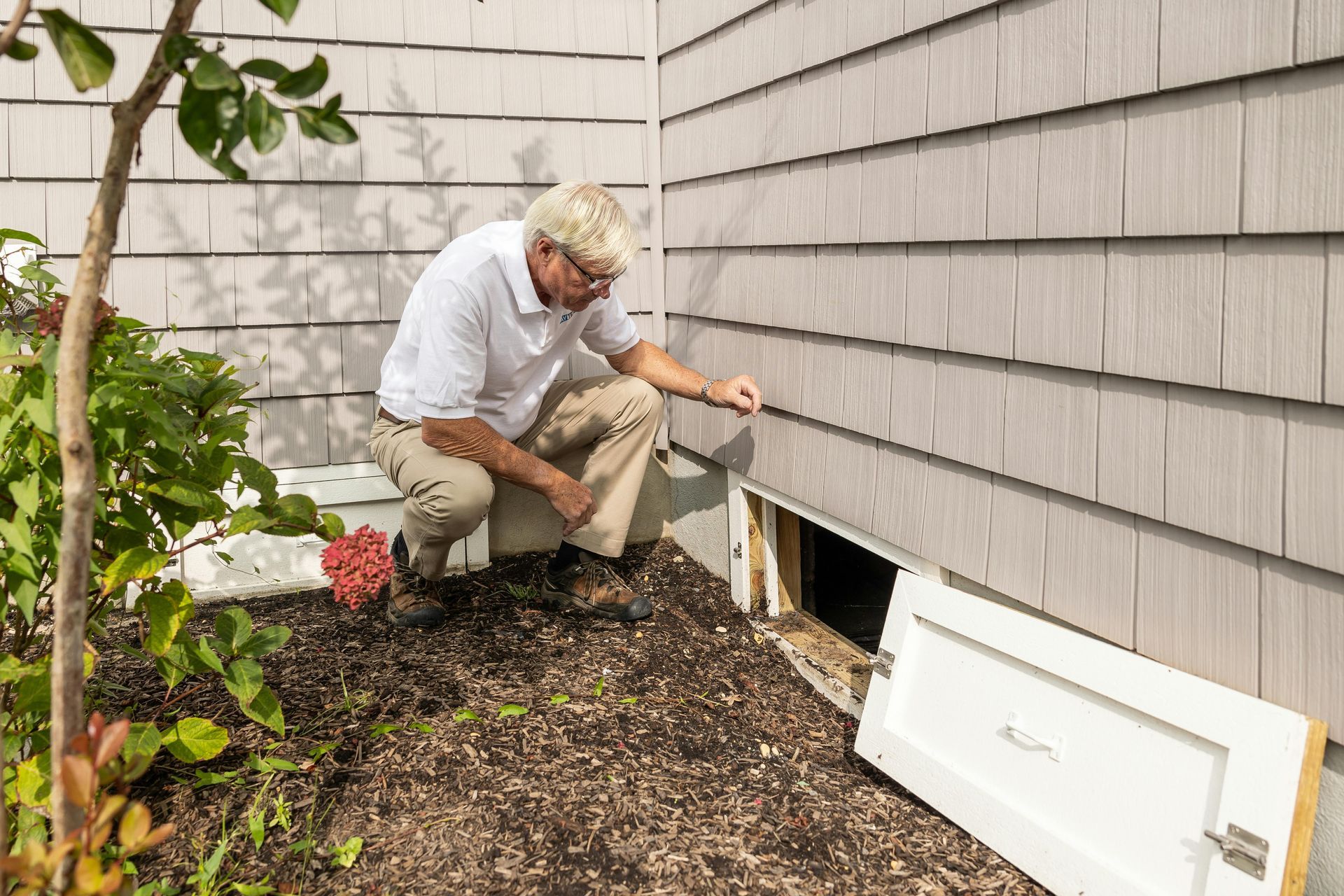
Moisture is one of the most common contributors to indoor air quality concerns. Chicago’s climate, combined with basements and older construction, can create conditions where moisture accumulates.
Areas commonly affected include:
- Basements and crawl spaces
- Bathrooms and kitchens
- Areas around windows or plumbing
Mold spores may become airborne, especially when disturbed, and can impact air quality over time.
Allergens
Indoor allergens may come from both indoor and outdoor sources. Common allergens include:
- Pollen brought in from outside
- Pet dander
- Dust mites
These allergens may become more noticeable during seasonal changes or when ventilation is limited.
Chemical Pollutants
Many household products release low levels of chemicals into the air. These may include:
- Cleaning products
- Paints and finishes
- Furniture and building materials
While levels are often low, prolonged exposure in poorly ventilated spaces can contribute to indoor air concerns.
The Role of Ventilation in Indoor Air Quality
Ventilation helps remove stale air and introduce fresh outdoor air. In many Chicago homes, ventilation challenges arise due to weather conditions and building design.
Common ventilation-related concerns include:
- Inadequate air exchange during winter months
- Blocked or inefficient exhaust fans
- Sealed windows that limit airflow
Proper ventilation can help reduce indoor pollutant buildup and manage moisture levels.
How HVAC Systems Influence Indoor Air Quality
Heating, ventilation, and air conditioning systems play a central role in indoor air quality. When systems are not properly maintained, they may contribute to air quality issues.
Potential HVAC-related concerns include:
- Dirty or clogged air filters
- Ductwork that accumulates dust or debris
- Systems that circulate air unevenly
Regular maintenance and filter replacement can help support cleaner indoor air.
Older Homes and Unique Air Quality Considerations
Chicago has many older homes, which may present unique indoor air quality challenges.
Potential factors in older properties include:
- Aging building materials
- Older ventilation designs
- Limited insulation that affects moisture control
These homes may benefit from periodic air quality evaluation, especially if renovations or system upgrades are planned.
Indoor Air Quality Concerns in Basements
Basements are common in Chicago homes and are often a focal point for air quality issues due to their location below ground level.
Common basement-related concerns include:
- Higher humidity levels
- Limited natural ventilation
- Potential water intrusion
Managing moisture and improving airflow in basements can help reduce indoor air quality concerns throughout the home.
Signs That Indoor Air Quality May Be a Concern
Indoor air quality issues are not always obvious. Homeowners may notice subtle signs that suggest further evaluation could be helpful.
Possible indicators include:
- Persistent odors
- Excessive dust accumulation
- Visible moisture or condensation
- Discomfort when spending time indoors
These signs do not always point to serious issues but may warrant closer attention.
General Ways Homeowners Can Support Better Indoor Air Quality
While each home is different, there are general steps homeowners may consider to support indoor air quality.
Common approaches include:
- Regularly replacing HVAC filters
- Using exhaust fans in kitchens and bathrooms
- Managing indoor humidity levels
- Keeping living spaces clean and dust-free
- Ensuring proper ventilation when the weather allows
These practices may help reduce common indoor air quality concerns over time.
When to Consider an Air Quality Inspection
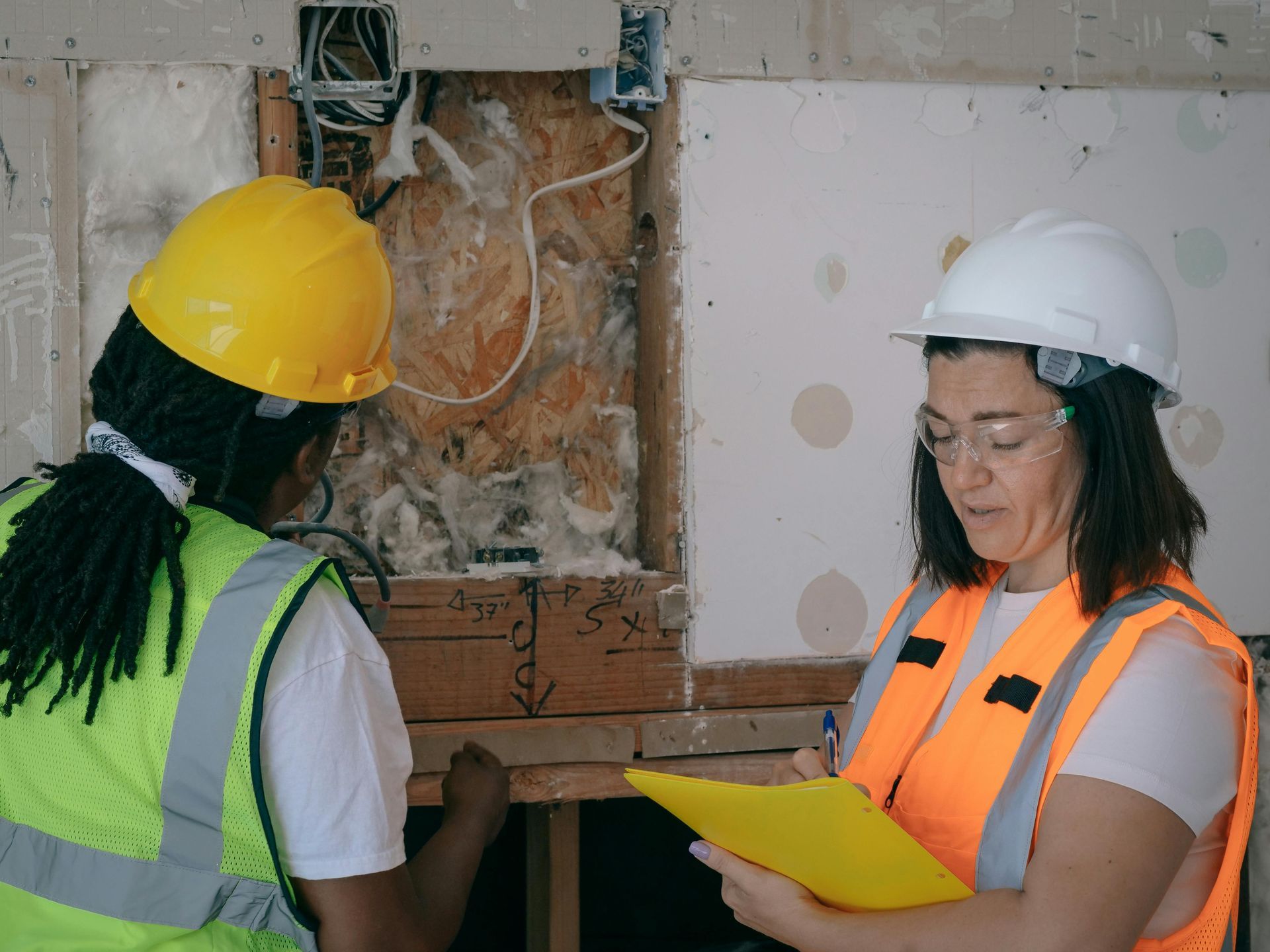
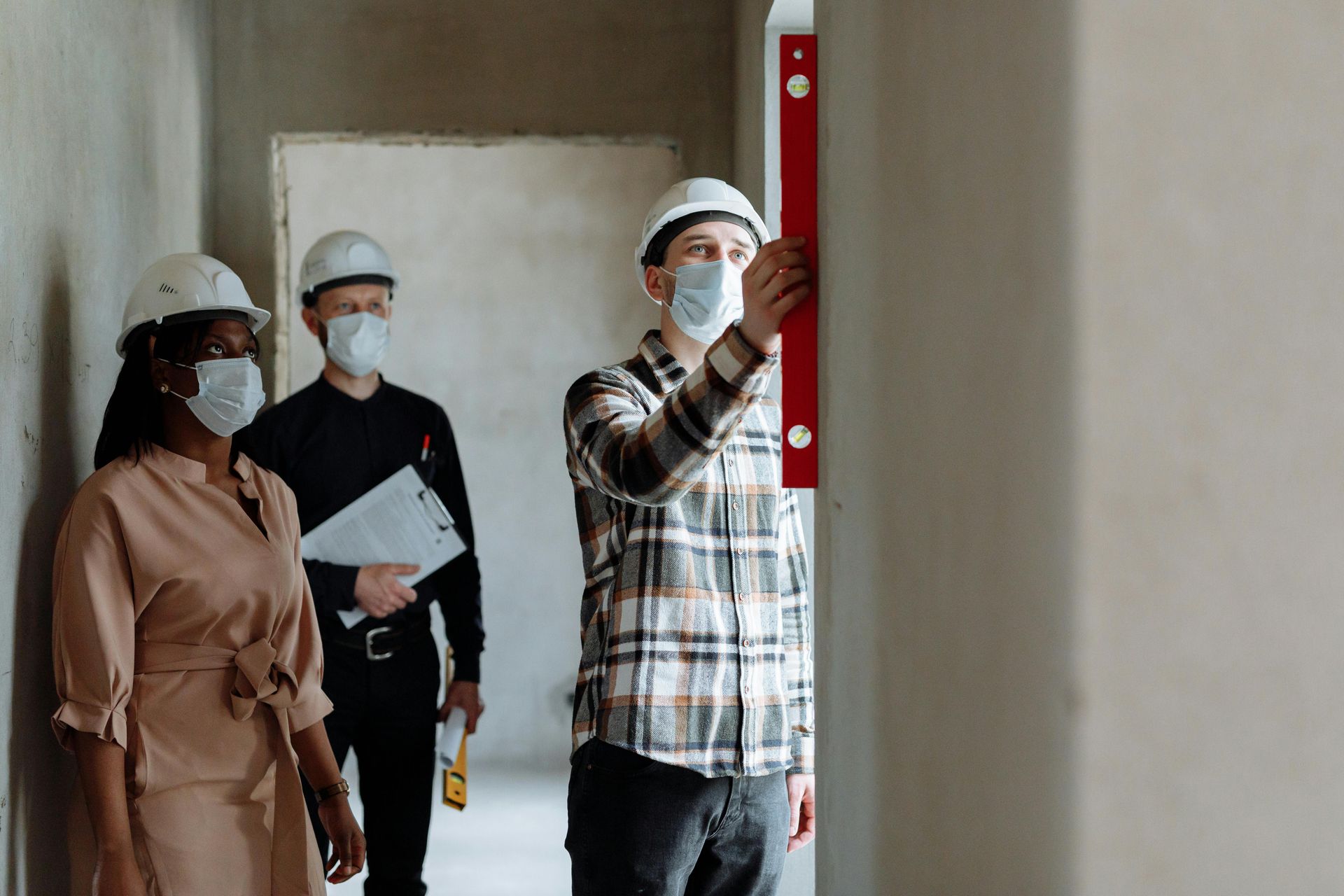
In some cases, homeowners may choose to seek professional insight through an air quality inspection. This may be helpful when:
- Concerns persist despite basic maintenance
- There is a history of moisture or water intrusion
- Family members experience ongoing discomfort indoors
- The home is being prepared for sale or purchase
An inspection can help identify potential contributors to indoor air quality issues and provide data for informed decisions.
Comparing Common Indoor Air Quality Concerns
| Feature | Professional Inspection | DIY Testing |
|---|---|---|
| Accuracy | High | Moderate |
| Pollutants Tested | Multiple (dust, mold, VOCs, gases, allergens) | Usually one or a few types |
| Cost | Higher | Lower |
| Expertise | Technicians analyze results and recommend solutions | Homeowner interprets results |
| Convenience | Requires scheduling | Can be done anytime |
| Actionable Results | Detailed remediation plan provided | Limited guidance |
Understanding how these concerns differ can help homeowners prioritize next steps.
Frequently Asked Questions
How often should I have a professional air quality inspection?
Once every 2–3 years is recommended, or sooner if you notice health symptoms or visible mold.
Are DIY air testing kits reliable?
DIY kits provide a general indication of air quality but may not be as precise or comprehensive as professional testing.
Can I use DIY kits for mold detection?
Yes, many kits detect mold spores, but they may not identify all types or hidden mold behind walls or ducts.
How much does a professional air quality inspection cost?
Costs vary depending on home size and scope of testing but typically range from $300 to $800.
What should I do if tests show poor air quality?
Address the source of pollution, improve ventilation, consider air purifiers, and consult professionals for remediation if necessary.
Final Thoughts
Common indoor air quality concerns in Chicago homes often develop gradually and vary based on factors such as climate, building age, and daily habits. While many issues are manageable with routine maintenance and awareness, understanding potential contributors can help homeowners make informed decisions.
By paying attention to ventilation, moisture control, and general upkeep, homeowners can support healthier indoor environments. When questions remain,
professional air quality inspection can offer valuable insight and guidance.
If you have concerns about the air inside your home, consider scheduling an indoor air quality inspection to gain a clearer understanding of your indoor environment and identify practical next steps.
Reference:
https://safeelectricity.org/ground-fault-circuit-interrupters-gfcis/
Share this article